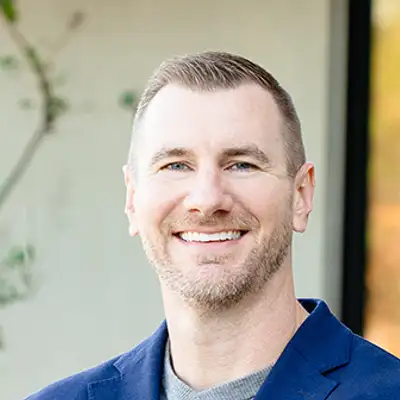
15 Years of DBA: The Origin Story
There may be errors in spelling, grammar, and accuracy in this machine-generated transcript.
Rachel Dillon: This is Who's Really the Boss, a podcast for accounting firm leaders who want to grow with intention and lead with purpose. I'm Rachel Dolan, and along with my husband, Marcus Dolan, we share real stories from our accounting firm, practical firm growth strategies and the tools you need to lead your clients, your team, and your life well.
Rachel Dillon: Welcome back to another episode [00:00:30] of Who's Really the Boss podcast.
Marcus Dillon: Hey, thanks for having me back.
Rachel Dillon: I'm excited today to give an update on personal family life.
Marcus Dillon: Yeah, lots of updates. I think we've shared some of those in passing. Um, just in previous conversations, we can give a more full picture of updates on, you know, the girls, even maybe Kash, who a lot of people hear in the background as well. But yeah, definitely a lot to update as we jump into today's conversation. [00:01:00]
Rachel Dillon: We'll start with cash. Even though I don't know if he's my favorite, but he's definitely the closest in proximity currently. So Cash's update cash is our dog. He's 13. He has joined us in many episodes uninvited, but because he has this lingering cough and so he just spent some time in the dog ICU and they diagnosed him officially with us. They use them interchangeably, but chronic [00:01:30] bronchitis or COPD. And so then he happened to get another infection of some sort like respiratory infection. And so he spent a few days in oxygen and with IVs. So that was fun and exciting to have our dog in the ICU. But he is alive and well and here. So he may make an appearance with the cough every now and then on this episode as well.
Marcus Dillon: Yeah. So if your dog ever comes across COPD [00:02:00] or chronic bronchitis, let us know. Because he was first diagnosed with a collapsed trachea. And then this last visit, they did a full X-ray. They were like, his trachea is fine, but his lungs are not. And so, uh, something great to learn. Uh, two years after the fact, after he was diagnosed with a collapsed trachea. Uh, but the I guess treatment for both things are the same. So he's on steroids. He's been [00:02:30] on steroids since, uh, January of 2024. And so it's, uh, it's funny how that worked out.
Rachel Dillon: All right, who's next for an update?
Marcus Dillon: Uh, I mean, you can give Avery's update. I think some people that know us follow along and, uh, know that she's coming off of, uh, her first college career, uh, swim season and just wrapped up big 12. So if you want to give an update there.
Rachel Dillon: Yes. We were so fortunate to be able to travel with her and watch the big 12 championships [00:03:00] in North Carolina. And she swam in three individual events. That's the max that you can swim or enter in, and then two relays. And so she ended up third in her 500 freestyle, sixth in her 200 freestyle and 11th in the mile. So she is definitely a distance freestyle swimmer. She was also part of the 800 free relay and the 400 free relay. And honestly, I don't remember where either [00:03:30] one of those landed in total scoring. It wasn't in one, 2 or 3, which is the only ones that um they do medals and podium for in the relays. So um but she did a great job at both of those and we loved being there to support her.
Marcus Dillon: Yeah. Um, it was kind of cool. You know, she's a freshman, obviously a lot to build on. Um, and was not feeling 100% kind of into the swim meet, if you will. So that mile [00:04:00] is the last race on the last day for her. And it's just a lot of, uh, uh, build up to that race. And then the fact that she wasn't feeling 100%, um, you know, just a lot to, you know, build upon for future seasons. And so she's had a few, I guess, days off. We'll have a few weeks off here, um, and not be in the pool necessarily. She joined us this morning for a workout at F45, which we've been doing together, [00:04:30] uh, since the beginning of the new year. So it's, it's kind of fun to see her more that we're, you know, proximity wise, close enough to do stuff like that. And then she kind of sees us as a refuge. I think, uh, she sees our couch and our fridge as a refuge, uh, from college life, which is always nice.
Rachel Dillon: Yeah, absolutely. Okay. And give an update on Kinley.
Marcus Dillon: Yeah. So Kinley's living her best life, uh, as well. It's just a little bit different of a life. So she is all in [00:05:00] on sorority life. Uh, as far as like her, uh, Chi Omega friends at Baylor and they're coming out of, uh, it's, uh, musical season competition called sing. Uh, it's kind of unique to Baylor. I would say. It's like Broadway. Um, very, very well thought of in the Baylor and Waco communities. And so she's, uh, coming out of, uh, support season for friends that were a part of sing and just being all up in [00:05:30] that. Um, but yeah, we've gotten to see her more, uh, because we've been closer proximity wise as well. So, um, she is actually, her spring break is coming up by the time this drops, she will have already gone on spring break, but she's going to do a mission trip through her church there in Waco, Antioch, uh, and they're going to go down to like the border, uh, so Texas side of the Mexico border to, uh, you know, I guess do do, uh, humanitarian [00:06:00] work. I don't even know what she's doing. I don't know that she knows what she's doing.
Rachel Dillon: She said that their mission trips are more evangelical in nature. So they really just go out and share the gospel. They don't have housing projects that they're working on. They don't have medical teams or medical projects that they're doing. Um, honestly, they are really just going there and talking to people all week long. So, um, it will be interesting to hear more about what that's like when she gets back.
Marcus Dillon: Yeah. And she doesn't speak Spanish, you [00:06:30] know, so we'll see how the whole thing goes. Uh, usually you can get by. Um, I mean, we do live in Texas, but the further you get south, uh, it seems like the more prominent, uh, Spanish is so. But yeah, um, and we've gotten a lot of questions because collective has, you know, our event recharge coming up in Mexico and, uh, you know, Mexico before the Iran thing popped off, you know, Mexico kind of got a little bit exciting as well. But Mexico is a big country. Um, so even like Kenley going down to the Texas [00:07:00] side of the Mexico border, um, she'll, you know, be very secure and kind of taken care of is what we know to be true. And the same on, you know, our upcoming trip, our upcoming collective event in Mexico at the end of April. Um, I think Puerto Vallarta was where some of the stuff was going down. Right. And then Cancun, where we're headed, or outside of Cancun, 1300 miles away from that conflict, right?
Rachel Dillon: Yes. Yeah. So, um, recharge 2026, [00:07:30] that is for collective by DBA members. Um, for mostly partners or firm owners and key leaders of those firms will be taking a trip. So there is a group of about 40 of us that will be going at the end of April. We'll wrap up tax season and then head out for a little fun in the sun together and a little bit of CPE and learning. So that'll be a great time as well. Kennelly. Kennelly is also trying to. After her mission trip, she's trying to squeeze in. A New York [00:08:00] trip like a New York weekend before she heads off to Italy and France. And so. I don't know where she's getting the funds to do this. Um, but I did let her know that we will not be funding that little weekend trip that she asked about. So we'll see if that one happens and we'll keep you guys updated. On if she made the weekend happen. It actually happens to be like the day before the weekend before finals [00:08:30] start. And so the Monday is called Dead Day. And so that's why they are thinking that they should definitely take a trip to New York City. Why not? Um, they have three whole days and clearly unlimited budgets. And so they just decided her and her best friend decided that they should do that. So we'll see. We'll keep you updated.
Marcus Dillon: Yeah. Uh, that'll be an interesting turn of events. Uh, on that trip. So.
Rachel Dillon: Yes. All right, let's we are coming [00:09:00] up for Dylan business advisors. Our accounting firm. We are coming up on 15 years of DBA. Uh, we are in season five, so five years of the podcast. So with that, we definitely have listeners who haven't heard the origin story of DBA, but also probably a lot of things that we haven't shared. Um, just because podcast episodes are short and 15 years is a long time. So wanted to recap [00:09:30] what the first 15 years of DBA has been like.
Marcus Dillon: Yeah. And I think, uh, 2026 is kind of that celebration year, right? When, uh, 2011 is obviously if you do the math when we started DBA and that was done, um, through acquisition, but 15 years ago, I was working in a firm as a as the W-2 employee, and probably about this time of year is whenever I kind of sat down and actually wrote letters, did a search fund old school way to, [00:10:00] uh, you know, connect with, uh, who may be on the edge of a succession event and connect with them to see if there was an opportunity to acquire their firm. Um, I don't know why I always thought about acquisition, uh, as the way to start a firm. It just never occurred to me to just go out and do it from an organic, uh, lens. Maybe that's just my nature in the way that I'm wired to, to do it through acquisition and [00:10:30] to build budget, which we'll talk about a little bit. Like the reason why we've done acquisitions in the past is to build budget. And that first one, it was to build budget for like our life, our lifestyle, to replace salary and do that in a way where it was a little bit more predictable than just leaving and hoping that organic growth solved, uh, the revenue problem. So. But yeah, it's been 15 years and you and I have talked a lot about this, [00:11:00] I think.
Marcus Dillon: Um, at least in our world and I've had conversations with other friends, um, it seems like there's a five year. Rhythm in business ownership. And we can definitely see that like a reinvention or an evolution every five years of DBA. So the first five, what they look like the second five, and then that third five, um, we could probably even talk to that a little bit and see what the challenges were and where we took it. You know, experiments [00:11:30] to a whole new level and what we learned, um, but definitely excited for the conversation. Uh, you and I discussed, like, this is going to be a two parter, most likely because there's so much to unpack. And really what we hope to do here today is, you know, speak about where we've been kind of the experience that we've had, where we've built to, to today. And then on the second part, which will come out after us, would be where we think the future's going. Some of the conversations that we're having right now [00:12:00] with other leaders and firms and just in the market in general. Um, just to give our prediction what it looks like for our next five years, if you will, like the, I guess that's a 1.02.03.0, I guess it would be DBA 4.0 is what we're entering into or what we've entered into. So but yeah, like happy to have this conversation today and excited about it.
Rachel Dillon: Okay. I want to ask you first then since we're going back to the beginning, you had you had a great job [00:12:30] at a great firm. You had been in a couple of positions. And I mean, for all intents and purposes, you were a leader in that firm. And so what was it that made you want to start DBA?
Marcus Dillon: Yeah. Um, and obviously we'll share numbers like I know that's our, you know, we're, we're pretty open and honest about that stuff. Obviously, I probably won't share names, but if you go to my LinkedIn [00:13:00] page, you could probably figure out who I work for and go learn that stuff. So, um, you know, coming out of EE, I was fortunate enough to like, let's back up first. Like most people may not know, like you and I have been together since high school. So we met up in driver's ed 15 and 16 and have kind of been together ever since. So, um, you know, went to college together, came out of college, immediately sat for the CPA exam. I interned at Ernst and Young, went to work at Ernst and Young. And [00:13:30] then you went to teach and within a few months of, um, you know, being married, we became pregnant and had our first daughter, Kinley. And, uh, you know, at our one year anniversary, we had a one month, one and a half month old. Right. So, um, but yeah, like it that's part of what shaped our story. Um, just having a young family early on in life, early 20s, uh, being willing to take chances both as a family and as businesses. So [00:14:00] that shaped some of the decisions that led up to even starting the firm in our 20s and going out and acquiring that. So after Ernst and Young was not conducive to family lifestyle was traveling. That was at the beginning of Sarbanes-Oxley. I was on the audit side, had a family friend that worked in a smaller firm.
Marcus Dillon: Uh, that firm probably did less than 2 million a year. It was probably 15 total employees. I went there to help start their audit side. Um, which looking back [00:14:30] now like that was a horrible, horrible decision for that owner. Uh, taking a risk like that on a 20 something year old kid. Uh, 24 I think, or I don't even. 23 probably at that time. Um, so anyway, we, uh, probably even younger may have been 22. Who knows? Like, it's crazy to think that someone was willing to take a chance to start audit practice with a 22 or 23 year old kid. But, um, but anyway, so worked in that firm for six years and during that time worked [00:15:00] on both the audit side and then rolled over to the tax side about three years in and got to learn both sides of how a small firm operates. I came from an entrepreneurial family. My dad owned a small business and knew that I likely wanted to own a business, and the fact that I was technically trained as an accountant got to know the business side of that, both by working at that firm and having a mentor who owned a practice, just, you know, you take calculated risk, you run the numbers. And it made a lot of sense to go that [00:15:30] path first. So that was the background that led me to that. At that firm you mentioned, like it was a good gig. I, I think it was 45%. I was able to get paid 45% of my effective billings, including write ups.
Marcus Dillon: Um, so I learned really early on how to game the system, how to, you know, price things to where it was acceptable to clients and it didn't seem out of the ordinary. Um, so I had a lot of flexibility in ways that [00:16:00] I can earn money. It was, you know, it was just, it was what I learned in my early 20s. And that's kind of the art that a lot of people may not know today is how to price engagements, how to have communication with clients directly, uh, depending on the firm that you're coming out of. But I had that experience and because I was getting $0.45 of every dollar of my effective billings, it wasn't even probably a good deal for that owner of the firm. And I know that he changed the compensation system after [00:16:30] me because I was very expensive. I mean, I think some years I had made in that firm up to $180,000 and never hit 200,000. But I, you know, I was cranking through some work And, um, you know, I was probably billing close to 400,000 a year. Um, maybe a little bit over toward the end and what happened in the market, I guess, if you will, is, um, in, in 2008, the market kind of became soft 20 that kind of continued into 2010. [00:17:00] Um, and during that time, the ability for me to make as much effective billings work, uh, was not there in that firm. So it meant that I either had to go get that work for that firm, turn on the BD hat, go do that for a firm I had no ownership in or think about doing that for myself.
Marcus Dillon: And so like, that's where we were. I was doing about $400,000 a year inside this firm, bringing home $0.45 [00:17:30] on the dollar as a W2 employee, which is it's a great like looking back like, that's awesome. Like, you know, I think I didn't have to go find the work. I just did the work, all that fun stuff. But it wasn't it wasn't always going to be that way. And I kind of saw that writing on the wall, especially my compensation went down before I went out because he was looking to grow. He was bringing in more people. He actually was about to acquire a firm. And there was just like a lot of unspoken things where he wanted [00:18:00] to make me partner, but he never said that. He said that whenever I gave my notice, it's like, hey, I had these plans for you. And honestly, that that helped shape some of the conversations that we have today with team members around ownership and things like that. But, you know, that's where we were in 2010, 2011 and 2011. That tax season was my last one at that firm. And I had written about 50 to 60 individual letters to CPAs to see, hey, if they'd be interested in selling their business [00:18:30] and attach my resume in a, in a business card. So I got phone calls from that. And ultimately one of those was the acquisition that launched DBA in 2011.
Rachel Dillon: Yeah, that was, um, really interesting. Some things that also that we were experiencing as a family with you working in that firm because the compensation was good, if not great, I will say from that position. Um, but what [00:19:00] we were experiencing was there were a lot of expectations for you to match, um, and even exceed the owner's working hours and working times. So even if you wanted to go in early and then leave, you know, 8 or 9 p.m. at night, that wasn't really acceptable. If the owner was going to stay until 11, 12, 1:00 in the morning. And it really didn't matter even what time you went in. You really didn't have much control [00:19:30] over that. And so that didn't align well with a teacher's schedule, who was getting off at like 4 p.m. and then wondering, right as a new married couple, where is my husband and where is the dad? I didn't want to be a single mom and so definitely had talked to you about that. I think maybe at both, both positions at Eli and at that firm. And so those were definitely also reasons that we had to start thinking about, okay, what this, [00:20:00] this is not what we want our entire future, our entire family and our life to look like of these kind of working hours. What can we do instead? Or how can we shape this a little bit differently?
Marcus Dillon: Yeah. And we were making good money. You were teaching, um, you know, and you had benefits as part of that. So the way that we also like calculated some risk, right? Was, um, we had moved from our first [00:20:30] starter home, which was a three bed, one bath, small, small, uh, home, uh, into what most would say, like a very comfortable great home, um, that we had, uh, built, uh, and could raise the girls in, you know, throughout their high school years, I think we already had like the pool and had newer vehicles. We got to the point where we were debt free except for the, the mortgage. And a lot of that was in preparation to just give [00:21:00] us flexibility, you know, where we could make some decisions from a business aspect. So that was the hard work that we did, you know, leading up to that 2011 decision to actually buy a firm and go, uh, go into business ownership that way.
Rachel Dillon: Yeah. So let's talk about kind of the early, the early days. What was the main goal of the firm from the beginning?
Marcus Dillon: Uh, revenue goal [00:21:30] or like just in theory goal? Yeah.
Rachel Dillon: Yeah. In theory goal, not necessarily a number. You probably had a number and you probably didn't even share that with me because again, I was making a teacher salary, so those numbers wouldn't even compute. Like they wouldn't even make sense to me that you could actually make that much money. Um, yeah. So what were your main goals for the firm starting out?
Marcus Dillon: Yeah, I think, well, we did the, um, acquisition through, um, you know, a bank loan. [00:22:00] And so I think we were able to finance 90% of the bank loan or 80% of the bank 10% seller note. And I came, you know, to closing with 10% cash. And that initial acquisition was a $400,000 block or book from a retiring CPA who was, I think Bob was in his 70s, maybe 80s, uh, but had had a health scare, had the firm on the market with a broker, then took it back, worked through some things, and then, um, got [00:22:30] my letter and reached out. So that was what we started with. Um, we had no intention, and I had signed non-compete non-solicitation with the firm that I was leaving, uh, of clients following us. But but they followed me and, you know, it's great. And so I had to pay out, um, some collections to my former partner owner, um, for about three years. And it was a third, a third, a third of what we collected. And I signed that as a 22 or 23 year old kid when I started [00:23:00] at that firm. And I, you know, held true to it, even though some people say you could fight it, it's one year, blah, blah, blah. I we just did it, you know, and it was just, hey, you know, if I would have banged on a lot of those clients following me, um, it may have looked a little bit different on the firm that we acquired.
Marcus Dillon: And I may have just decided to go out on my own and, you know, do that as my acquisition. But that wasn't what we were planning on. So very quickly, uh, with those clients following, um, we went from a $400,000, [00:23:30] you know, potential all the way up to, I think we ended maybe 700,000 pretty quick. So it was significant. Um, I would say 150 to $200,000 of work that followed. And then just good organic growth from being the new person in town that had a lot of capacity and availability. The thought of a lot of availability and that was the goal. So it was off to the races, that $400,000 amount. Um, the thing that was exciting [00:24:00] about that was I was doing about that much work at the other firm. And so I knew that I could, if everything else, nobody else was there to help me at that time is how I thought about it. I could get that amount of work done on my own. And that $400,000 included audit work. It included some like some crazy audit work that shouldn't have never been done. It was like 401 (K) audits, which are awful. And so I think those are some of the pieces looking back, like we retained the audit practice all the way through 2020, which we'll [00:24:30] talk about too. Um, but yeah, just, you know, that's where we started. It allowed us to bring over a friend to kind of help with that audit side. Um, and do some consulting there with a couple of clients.
Marcus Dillon: It allowed us to, we didn't keep any of the team members from that previous CPA. After the first tax season, we had inherited a office manager who just wasn't the best fit for where we were going. And, um, once we got to the point, we were able to hire a church [00:25:00] friend to kind of sit in that seat, I think she was the first, uh, office manager, no CPA experience, no, nothing like that. And then, um, as far as other team members, I think we just kind of operated and scrapped by with whoever we could find. Um, so it wasn't like we did, you know, hiring out of the gate. I think we tried to, we tried to outsource some of the bookkeeping and payroll to others and regretted that down the road. Um, because we, then we tried to pull it back [00:25:30] after we said, hey, this CAS model makes a whole lot more sense than just doing tax and audit, but we were just trying to look for ways to leverage ourselves. And so yeah, it was, it was kind of top heavy for maybe the first two years, I would say. But after we started to lean into what a team could look like, that's whenever we started to really experiment with what roles would look like. And the other piece of this is, hey, I was, I was at a brick and mortar CPA firm going [00:26:00] into an office in Houston, Texas, which was about 45 miles from our house.
Marcus Dillon: It was hour plus commute both ways. Um, and we went and bought a brick and mortar firm. Like working from home wasn't an option at that time. In my mind, it probably was an option technology wise, but in my mind, I was going to an office every day by myself pretty much, and working till 9 or 10:00 at night. Uh, first office. We inherited the [00:26:30] lease from the previous CPA was not somewhere we would pick. It was right off of a major highway, major interstate in Texas, right outside of Houston, and it was probably a class D building, if I had to guess, because it had the old school atrium, uh, where whenever they bring mulch and plants into that atrium, it just smells like crap, right? You know, like literally, um, so that that's what we were working with and the clients who we bought were used to that. So we try to make it really [00:27:00] easy on them, um, as much as we could. And we had some, some crazy neighbors in that building, uh, both in the building and then like the buildings beside us. Um, so those are the, I remember working till nine and 10:00 at night being the only car in the parking lot. Only person in the office. And I like owned that business. And now looking back, like there's just so many different ways to do that. Like grab your stuff, go home, work from your home office if you're going to do that.
Rachel Dillon: So yeah, That's great. Sounds [00:27:30] like your main priority was with starting the business was earning potential. Uh, mine was definitely work life balance, but the initial years definitely didn't allow for the work life balance piece. So the good news was we were working for our family, um, clients and, and the couple of team members that we had, but mostly building for [00:28:00] our family and for our future. But the hours they weren't really that much better. And, um, your dad and myself got roped into, uh, helping, volunteering our time on nights, weekends, holidays to help with, uh, tax season as well.
Marcus Dillon: Yeah. Um, and that's where I would say like, um, you came, you came to work in the practice in 2013. Is that right?
Rachel Dillon: Yes. [00:28:30]
Marcus Dillon: Yeah. So it was a couple of years in where we felt really comfortable to wear. You know, the teacher salary and benefits. We had more than made up for my salary and your salary and all that fun stuff. And we could talk through what that looked like. Um, so that was just within a couple of years, that wasn't even the five year kind of cycle that we mentioned earlier. The other thing that business ownership allows you to do is it allows you to do other investments. Real estate is a very big part [00:29:00] of our story. Um, so we always knew we wanted to own an office building because if we're going to pay rent, which in our mind, a CPA firm always had to have an office building, always had to pay rent to somebody. And what we learned from our best clients was, if you're going to pay rent, might as well pay it to yourself. So in 2012 and then in 2013, we moved in. We actually built and bought and built our first office building. It wasn't a crazy dollar amount. It was less than our house cost.
Marcus Dillon: Um, you know, for a 2500 [00:29:30] square foot office building that was standalone and, um, you know, just like you would take out a mortgage, we did all that, built it and then moved into that office building in 2013. And so we were only in that first office for a couple of years and, um, you know, happy to leave the mulch and the plants, um, the interior plants behind. Uh, but you know, I think that's where if you look back and see where people like congratulate you for success, they [00:30:00] congratulate you at when you started the firm or when you bought the business. And they also like anytime something big, like a real estate, you know, moves, whether it's a new office, a purchased office, whatever. And you know, looking back, it's like, oh man, everyone, every time someone wished me success, it was because I had just gone into debt, you know, and just had taken, taken out a lot of debt and a lot of risk on our part. And then you've got people that just, hey, Congratulations. Um, you know, all that fun stuff.
Rachel Dillon: Yeah. Uh, [00:30:30] fun fact, my first day was the day we were moving out of the not so great building into our brand new, very own standalone space where we would not have people coming in off of the highway, um, to use the restroom as if it were a public building in a public restroom. So, um, that was great. I remember doing a couple of collection calls on the floor as we were packing up and moving that office out on [00:31:00] my first day, but I'm pretty sure that is why that new, different building, different space had to happen because I was not coming to work with you and the other place on a regular basis.
Marcus Dillon: Yeah. So I would say, you know, even though we were able to do that, replace your salary, that first five years of DBA, the acquisition or acquisitions, because if we count the first, the clients that followed, and then I absorbed a small book from a friend as well. So like those acquisitions, like that [00:31:30] was what happened the first five years, that first five years was all about just build and stability as far as like replacing the salaries, making sure that we could, um, you know, live comfortably, pay our bills that we had up until that point. And, um, you know, coming out of that first five year cycle, 1.0, if you will, uh, we were, we were in our newer office building, you know, it would have been 2016 and [00:32:00] things were moving. We were being able, we were hiring people. Um, we were outgrowing that space because the office building we built was, was it 1500 down and 800 up? Like it was, it was smaller. Um, so we were doubling up and tripling up people, uh, within that office, office building because as we grew, as we passed that million dollar mark in that first five years. Um, you know, the, the West Houston Katy area was just very good to us and we were [00:32:30] hungry and willing to do a lot of different projects.
Marcus Dillon: We had a lot of different services that we were offering. We were in the community. We were just saying yes to a lot of different things. And that's what fueled that initial growth, um, to really 2016. And so when I look back over the 15 years, I also look back at the offices that I were that I was in, I look at the people that were around me, if you will, and, um, you know, just thankful for it all. But that first five years was truly about just stability, building [00:33:00] something, being able to pay both our personal and our business debts. You know, at that point, because we, we took out a loan, first command Bank gave us a $360,000 or 320,000. I don't even know the number anymore because if it was 320 there 40,000 former owner and 40,000 down payment, it would have been about 320, which just seemed like such a big number back then. Um, so we had a partner in the bank. Um, and we were able to pay that off within that first five years, I think is what, [00:33:30] you know, we were really hoping to achieve. So that's where we're at. We were brought into 2016. So that first chapter, just all about stability, all about building the base. And we did that by saying yes to everything.
Rachel Dillon: Yeah. Do you remember team size and revenue size at that point by 2015, 2016?
Marcus Dillon: Yeah, I would say, um, 2016, I think we were at 1.5, 1.6, um, you know, very successful, very high margin, [00:34:00] uh, single owner firm, right. Um, life was good. I think we, you know, personally bought a lake house. I mean, you know, we were doing some different things, you know, there, um, as well. So, um, I think it was good. And, you know, the girls when we started the business, uh, the girls were ages five and three. And then you know that first that would've been ten and eight, right? If I can do the math. Um, to where? That's about when we decided, hey, this is what [00:34:30] we want our, our, our lives to look like. So we were busy in the business and then we were also busy at home. Um, and, you know, just made some decisions to how we wanted to raise the girls and what different activities we wanted them to partake in and have time, like on the water as a family. So that's where we dedicated time and dedicated budget.
Rachel Dillon: Yeah, absolutely. So, um, yeah, so that that first five years, I think you hit the nail on the head with was [00:35:00] building and what that looked like. It required a lot of hours from the both of us, um, which left our kids kind of coming to the office with us a lot or spending time with thankfully we had family close by and friends close by, um, helping to kind of watch them while we were working. And so, um, there was definitely an inflection point there when, you know, we [00:35:30] got to summertime school time was fine, but summertime was really difficult because they girls did not want to spend every day of their summer at the office with us. And so we could get them there for a few half days, um, a couple of days a week. But other than that, we had to figure out, okay, what, what are they going to do? Um, and it wasn't, I didn't prefer for them to go into like a daycare type setting. And so definitely had to make some decisions on how [00:36:00] do we can't leave them at home yet. They're not, they're not old enough to stay home by themselves yet. Um, and we can't ask for favors every day. So we really had to look at what does the business look like going forward and, and how do we continue to grow and serve all of the clients that we have? Um, but not working the same amount that we were back then.
Marcus Dillon: Yeah. And I'll also say at the end of that time period, 2016, um, we, we didn't work from [00:36:30] home. Even, you know, really in the after hours, like, I don't think that was really, uh, I remember some of those nights where we did work from home, but it wasn't that first five years. We were definitely like, hey, the work is at the office. You have to go to the office to do the work. And something that, you know, we'll touch on is the way that we were successful is because we put the hours in like that. We weren't necessarily working smarter, we were just working more than others around us and saying yes [00:37:00] to others around us, which doesn't work anymore. Um, you know, and we'll talk about that. So, um, but that was 2016. I would say that next five years, that next chapter 2.0. Um, I mentioned my mentor Tom. Um, so in 2016, I had breakfast with him and he was already starting like his succession plan. He had, um, sold off a few blocks of clients. Kind of got down to this manageable size where he was running it on his own. He had a few key team members that he loved [00:37:30] and cared for that were still with him. And, you know, just kind of was coming up on this decision of what to do and very open and transparent with one another. Um, value him quite a bit. And we came away from that breakfast and I just said, hey, how would we be worse off by, by coming together? And just if we can, if we can not be worse off, then there's, we should just do it.
Marcus Dillon: And like, that's like, that should not be the way that you approach an acquisition or a merger. Uh, how can we be worse off? But that's what we [00:38:00] did in 2016 or what I did. So at that time, uh, we acquired his practice at the end of 2016 and that led us down, you know, this next chapter, if you will. So with that, I thought, you know, it'd be great to have him, you know, physically close and being able to tap into his knowledge base and the team members that were getting, they'll be great. And, um, what we, you know, what we learned is just it was two different cultures. Um, not right or wrong, but just different. And [00:38:30] so the way that they valued things, uh, they maintain their office presence, which was about 20 to 30 minutes away, depending on traffic. You know, it was just, it was different. And we didn't really think through that. All the best. But, uh, you know, after that 2017 tax season where it was 2016 returns, um, you know, we were still operating out of the office, uh, that we were in, uh, kind of bouncing out the two different locations. We also decided as partners, we would build a new 12,000 [00:39:00] square foot office space to kind of be the marquee office space that we would never have to leave and move out of over the lifetime of the firm. And so that started in 2016 and was finished in 2017. But we just we looked up and, you know, some personal stuff was happening as well. Just, uh. You know, girls were getting older, things were shaping up to where we looked up and we had over 2000 annual clients, uh, that thought we intimately knew every detail of their lives and, [00:39:30] uh, that we were their, their CPA.
Marcus Dillon: Right. And we should be able to answer every question that they have at the drop of a hat on a phone call. And, um, we were doing about two, like a little over 2 million, I think we hit the 2 million mark after we acquired his firm in 2017. But, um, but yeah, it was just, it was nonstop. And I remember that first season, we were in the old office building before we moved into the new office, like just stacks of, [00:40:00] um, these folders that had routing sheets and occasionally they had, um, client documents in them. I just remember being like stacks of piles around my office, around my desk and And like they were in my office just because I had to invoice them. Like that was the final step. And that was like, I love sending invoices out because like, what that leads to is cash in the bank. And so whenever these would stack in my [00:40:30] office and I would have dozens, right. Maybe even like approaching 100. And the way that we were trying to incentivize team to get work moving throughout the business, like we were throwing hundreds around at the drop of a hat, like setting goals and cash incentives. It, it was definitely a fun time for a few, but it was like, I can't imagine running that hard right now. Um, how we've, how we've thought about things differently.
Rachel Dillon: Yeah, [00:41:00] I think something different. So those folders came in, but it was really our goal. They would come to me first to send out the return for review and signature, get filed, and then go back to you for billing or for invoicing. And it was really our goal to get those out like same day, right? So when they hit our office, then they also needed to get invoiced that same day or depending on how late, maybe the next day. And so that was never something that I [00:41:30] experienced. I've only worked with you in this accounting firm. I have never worked in another accounting firm, but something that seems common practice among a lot of CPAs is to hold invoicing for a while. Um, probably because of the volume of work that's around, that's just like, you can't get to that if you also are trying to get client work out. But that was something that was always priority for you to get done immediately. Um, and I think that that has been a huge part of our success, [00:42:00] that we've just never done it differently. We've never known to do it differently. Um, but definitely something very common that I hear that people are spending days doing billing and doing invoicing and things like sometimes months after the fact.
Marcus Dillon: Yeah. Yeah. And part of that, you know, going back to that firm that I was a part of, like where I got paid based off my, you know, effective utilization. That's why I would send out invoices like that carried with me throughout my [00:42:30] whole career, even to today, like, let's get this invoice out, let's get paid. Um, and I've never known any different. So whenever someone says they just haven't invoiced out or you're dealing with an attorney who sends you an invoice 3 or 4 months after the fact, you just shake your head. And I've also used, you know, that guidance with clients. Like if you're having cashflow issues, like let's build some stuff out. It's that easy. Right? And let's go get paid. Um, and how quickly can we get paid? [00:43:00] Can we get retainer, all that fun stuff. So, um, but that, that carried with me. Um, and so in 2017, we looked up and we had already been introduced, we were already working with Amy McCarty, our coach, who is now our director of operations. Um, we did that kick off with like a technology. We moved from, um, well, sir, to ultra tech and implemented practices within the firm in 2015, 2016. And so that's whenever we were introduced to Amy and, um, [00:43:30] you know, so, so there were some different things that we were trying, um, 2017, we also really leaned into monthly recurring revenue.
Marcus Dillon: We started, um, offering CAS for the first time. It wasn't called that, but it was, you know, a bundled services where we were thinking about, hey, we've got too many tax clients. Let's, let's try to get these, all these tax clients into these monthly services. It sounds so easy. And let's just go sell this to all these clients and we'll be getting paid. And if you've ever done that, you know, it's not easy [00:44:00] because you're already probably serving those clients well and they're not going to pay you more just because that makes your life easier. Um, they are, you know, concerned about themselves as we all are. Right? So but yeah, we, we leaned into that. So after we started getting some traction with that into 2017, we did look up and we said, hey, what we've created here with two close office locations, a variety of different clients. Um, we love Tom. Tom's clients love Tom. Tom's clients [00:44:30] hated us. Right? And so, um, we were just too modern for what they were. And, uh, we were just trying to move too fast. Looking back.
Rachel Dillon: Yeah. And I think also like, this is something that anyone can hear now and take with them. Um, and just think about as they're doing acquisitions, if you talk to a firm who has done client block exits, the, the list that they have is a great list of clients. It's very successful [00:45:00] people and probably very successful businesses that they're serving. But if it has been pared down that much, likely it is due to the relationship that they have with someone in the firm. So for, um, the acquisition that we did with Tom, the relationship was directly with Tom. They had been with him for years. They had made it through 3 or 4 cuts of clients. So that should have been our first kind of red [00:45:30] flag that this might not be the easiest transition for them to just love a new CPA. Um, also what Tom had done is make his capacity and his availability, um, just that much more for his clients because he had pared down his list so far to where he could do a client meeting with every single client ahead of preparing their return. And then probably on the back [00:46:00] end of presenting their return to them for review. And so that was not the way that Dillon Business Advisors was operating at that time. So that was also very different that we weren't used to two scheduled meetings during tax season with every client. Even, even though most of them were, um, annual only projects. So that was something really [00:46:30] difficult is that we, we weren't necessarily serving them in the exact same way that, that they had been served before. And we definitely weren't the person who had been serving them before. So those were two really hard barriers to try to overcome.
Marcus Dillon: Yeah. So just for context, like Tom brought over a little bit more than $400,000 of work with him whenever he came and we acquired that. It wasn't a merger. It wasn't, you know, anything like that. We acquired it. Um, after [00:47:00] we learned like Tom also, he wanted to pursue an interest, like a very niche specialty within accounting. It's receivership work. And he does that. He enjoys it. We did not enjoy it. And you know, you're dealing with courts and attorneys and fun stuff like that. So it wasn't part of our goal. Uh, so he pursued that beginning in 2017 to go down that path. And we had to make the decision on the office, the couple of team members, those clients. And the [00:47:30] first, I would say, like spin off, if you will, is we just got rid of two blocks of clients. We retained the office. And with that, we had a friend who was starting a firm. Um, and she just, she said, hey, I'm not as, I'm not as busy as I would like to be. And so she made that mistake of telling us that and we said, hey, do we have a deal for you? Um, so I think our initial client block sale to Julie was about 100,000. We did another client block sale that same year to another CPA closer to Tom's [00:48:00] office, uh, just to see if that would alleviate the pain of where we were coming from. So we spun off about $200,000, monetized that. But the very next year, it's still like we still had a lot of those same issues.
Marcus Dillon: We had more pain points, um, than we wanted. And so that was when the second year of coming together, we really decided, hey, we're going to spin off the office. We found somebody who wanted to open up a firm in that location. He was working for a larger firm. [00:48:30] So we actually took about 200 and $250,000 of work and monetize that with that office location. And so with all of that, like we continue to grow, we, we never dipped back below 2 million. So I think we were like 217. We sold off about 200,000. We still kind of continue to grow organically. Did price increases, uh, fewer clients, but more [00:49:00] revenue. And then we, we spun off that office of 250 And still it didn't take us below that $2 million mark the next year. So we were continuing to do organic growth, the cash flow from monetizing those, it was a variety of different ways that we would do that, whether it was retention based, hey, go collect whatever you can, year one and then pay us, you know, based on a three year note after that first year. So we were giving away that whole first year of collections to that CPA. And [00:49:30] it was, it was a no brainer. If you were going to go start and you had full selection of who you could retain or fire, it wasn't a bad deal. So that's why it's been successful.
Marcus Dillon: When we've offered that the 250,000, that was a little bit different. That person actually went out and got a loan. We got that very similar to when I acquired the business. And with that purchase, it allowed us to really retire Tom. And he pursued, um, receivership full time. We no longer had that office space. And [00:50:00] um, I would say that was really 2018 was when that was all shuffling out. 2019 was just a very solid, stable year, if I remember correctly. Like, I think we were still coming into the office quite a bit. We had a great team. We were really leaning into MRI and CAS engagements. We were employing a lot of part time working parents. Um, that would, you know, come to the office at 9:00, 930 and then leave at 2 [00:50:30] or 230. Um, I think you were one of those. Right. And that was kind of your rhythm. Uh, but it was to allow people to drop their kids off, put their kids on the bus, get home in time to get their kids off the bus, get things ready to kind of to kind of bookend the kid's day and all even thinking about like all the work was done in that physical office building. Like, no, nobody took work home with them. Um, it was all just done there. So that was a really good boundary, [00:51:00] if you will, for those working parents that saw that as a good way to get back to their family.
Rachel Dillon: Yeah, I think some things that helped with that was we had really defined what are these CAS services that we offer? Who are these ideal clients that we serve? And if a prospect did not fit both of those things, we told them no. So during that time, we actually said no to a lot of potential [00:51:30] growth and potential clients that we could have served. But I think that is really what allowed us to figure out what is this work life work load consistent balance throughout the year. Tax season during that time was still very heavy. We still had a high volume of annual tax returns that needed to get done, but we stopped allowing them to come in the front door. Um, so there were a lot less fires to put out. There were a lot less, um, you know, random [00:52:00] like, oh, I'm behind. I need to catch up because we've just accepted all of these new clients and we're trying to onboard and prepare returns in such a short amount of time. But also during that time, you had capability before most of us to remote in and work remotely if needed. So that was more of an as needed basis, just like you could do it. It wasn't efficient. Um, but if you needed to work from somewhere else, you could. By [00:52:30] 2019, I think we all had capabilities if we had to because there were so many working parents, because we have always been a family first people first organization. Um, people had the opportunity, if kids had a random day off of school or had a sick day, but the parents still wanted to work or get things done. Then they could essentially work from home or wherever they were. Um, again, it wasn't an efficient [00:53:00] situation, but it was. It did work. They were able to get some things done, or at least kind of prioritize and hit the high priority items until they were able to return back the next day.
Marcus Dillon: Yeah. And I know we're coming up on time. So I think what we should do is let's, let's finish 2.0. And then, you know, we'll pick back up 3.0. And then you know look ahead to 4.0 in the next conversation. So the end of 2.0 is just what you said. Like we were already we still had a server in the closet in [00:53:30] this beautiful 12,000 square foot building that we built in Katy, Texas. We built out 7000ft² as our office space and had 5000 of available shelf space, uh, for someone to come along and, you know, pay us as, as a landlord. Um, and it was, it was beautiful. Like, like, I think the, you know, wood wainscot attorney feel leather bound books, you know, anchorman, if you will, uh, feel to this office building and you really [00:54:00] enjoyed going there. But, um, in 2019, I had this corner office and the bottom of the building and I would just hide out there like I think I scheduled to walk around the building when I first got there and tell everyone hello, make small talk. But then I would just retreat, hide in that office and pray. Nobody came and bothered me, uh, or brought their problems to me. And, um, that's kind of how I lived day to day. And it was in office Monday through Friday. As you mentioned, the rest of the team was, was kind of there [00:54:30] in and out as well.
Marcus Dillon: Whether they were full time, worked only a few days a week or part time most days a week. So, um, but you know, the end of the 2.0 was, was really COVID. Um, so in 2020, we, we kicked off the year as we do now as well with a team retreat. So we would bring the team together, set aside a day, not do any client work, but just really think through, hey, where's the year going? And I think 2020, it probably had some great, um, like [00:55:00] vision related theme to it because 2020 vision and everything like that. But I remember in January, the person who helped us start the firm and that was leading the audit practice, which wasn't growing. It was just stable and maybe minimizing a little bit. Um, the question that we asked at that retreat was if you could do anything in this life, what was it? If you can do anything in this life and not fail, what would you do? And her response was, I would be a stay at home mom. And [00:55:30] at that point, when you have a leader in the firm, respond that way. It's like, okay, this is likely not going to be the person to help lead that aspect of the business into that next chapter. And so as leaders, you and I at that point were primarily the decision makers.
Marcus Dillon: Um, we had to think through what was all possible. So that kicked off 2020. Um, it was the plan. She would, we would give her some consulting work for one of our major clients [00:56:00] that she was already doing. She would wrap up the audit season, and then she would just be able to work on her own for that client and then also for us if needed. Uh, but essentially set up her own firm and that was all decided. Um, you know, in kind of January or February after that retreat, we were starting to communicate that to the team in person. Um, and then we knew that we had to start having a plan in place for this audit practice where we were going to grow it, where [00:56:30] are we going to exit that line of work? And it was pretty much, you know, on both of our hearts. Um, to not pursue audit any longer. So we started having light conversations around what that would look like. And we identified a firm who would be interested in that. So all of those conversations were happening throughout tax season. And then spring break, March of 2020, everybody knows what happened with Covid. Um, so this beautiful office building that people came to. Everybody already had laptops. They took their laptops [00:57:00] home. We kind of said, hey, uh, we don't know how this is going to shake out.
Marcus Dillon: We were kind of joking. I remember doing some weird, you know, um, posts or videos around putting documents in the freezer because that apparently was supposed to help minimize the risk of Covid. Um, transferring. But, you know, we sent people home, they got comfortable, their kids got sent home. Um, and then they just never came back. Like they learned how to work remotely. That [00:57:30] existing team that we had learned how to finally work remotely because they had to. And we encouraged them not to set up shop at their kitchen table if at all possible. We funded office, uh, you know, kind of accommodations, and they could still come to the office if they wanted to, but no one did. And I would say that was a huge shift, uh, in our business to, to essentially build to where we're at today and how we operate. Um, so [00:58:00] that happened. We also were finally, we were finally kind of settled on who would take the audit and the test practice. And we spun that off after Covid during 2020 as well. Um, and then actually backfilled a lot of our office space with that firm that bought the audit practice. So that's the end of 2.0. I know you probably have some questions or want to clarify some things about decisions that were made at that time.
Rachel Dillon: Yeah. Um, I [00:58:30] remind me, but there was definitely, I will say during the 2.0, there was definitely a revenue mark that you wanted to hit and then never dip below. And I think originally, you know, I think the thought was like, I wonder if I can run $1 million business. I wonder if I can build $1 million business. But when you exceeded that so quickly. Then that watermark moved very quickly. Um, to 2 million.
Marcus Dillon: Oh, [00:59:00] yeah. Yeah. It's always more.
Rachel Dillon: To 2 million. And then and then it was. But it can never dip below. So even with the, um, blocking my exiting and monetizing clients, that was really the thought behind that was we never wanted to dip below that 2 million. So when thinking about what are those sizes and how quickly are we filling that with organic, um, growth on the other side, [00:59:30] that was definitely a consideration and something that you continued to watch very closely. Um, and so I think that that definitely kind of highlighted the ability to work remotely should have allowed us, um, what people would think work life balance, but what that did, it really just allowed us to work more. We could just now work from the office. Um, sometimes we said deal with the kids, but do the kids like [01:00:00] routine of dinner activities, bath and bedtime. And then we would just go straight back to work again for the next 3 or 4 hours. Um, during busy season. And so definitely 2.0 still looked a lot like 1.0 for us from, uh, a work load and, uh, how many hours we were actually working in the firm, but we were able to accommodate a little bit better. The girls schedules and activities because [01:00:30] as they got older, they only got busier.
Marcus Dillon: Yeah. I would say, um, to your point, we looked at top line revenue, but also, um, you know, I think 2020 was the first year with we always wanted to hold our margins because we, we were successful. Like we priced, right. We were able to get great engagements. We always wanted to hold our margins before officer comp 40 to 45%. So we were shooting high. And if you remember where I came from, 45% was what I was getting paid at that other firm to [01:01:00] do that type of work. So I was like, well, that's the number I should hit in my mind. Right? So, um, that was kind of always the metric, uh, for me. And I remember 2020, you know, $1 million to the bottom line and all that fun stuff that comes along with that, celebrating that, um, during Covid, uh, was a weird thing because we took a trip to, um, uh, Atlantis, the Bahamas during Covid and it wasn't the best Bahamas experience by any means. Um, but we did it right. And I think that was kind [01:01:30] of the end of 2020 and the end of two point.
Rachel Dillon: Oh yeah. Yeah, absolutely. Funny enough, I just was having a conversation with someone about that trip today before we were recording. So, um, yeah, that's, that's a story for another time, but definitely 2.0 was good to us. I think we had to really define what we did and who we are and who we did it for. Um, and then be very disciplined on who we accepted [01:02:00] into the firm, both team members and clients.
Marcus Dillon: Yeah. Well, thanks for, uh, you know, sticking with us for the origin story and the maturity, uh, of DBA. And I think Rachel, on the next one will pick up, uh, 3.0 and then lean into 4.0 a little bit as well.
Rachel Dillon: That sounds good. All right. See you on the next.
Rachel Dillon: Thanks for listening to this episode. If you enjoyed the conversation [01:02:30] and want to learn more, be sure to visit collective. You can schedule a meeting directly with me, Rachel, by clicking on the Contact Us page. Be sure to subscribe, like, and share so you don't miss any future episodes. We look forward to connecting with you soon.
Creators and Guests