Behind the Scenes of Two Accounting Firm Acquisitions in One Year
There may be errors in spelling, grammar, and accuracy in this machine-generated transcript.
Rachel Dillon: This is who's really the boss? A podcast for accounting firm leaders who want to grow with intention and lead with purpose. I'm Rachael Dolan, and along with my husband, Marcus Dolan, we share real stories from our accounting firm, practical firm, growth strategies, and the tools you need to lead your clients, your team, and your life well. Welcome [00:00:30] back to another episode of Who's Really the Boss podcast.
Marcus Dillon: Hey, thanks for having me back.
Rachel Dillon: And we are excited to welcome Amy McCarty back. Welcome, Amy.
Amy McCarty: Thank you for having me today. Excited to be here.
Marcus Dillon: Amy's going to be running this podcast before too long so it's all good.
Rachel Dillon: All right Amy, you're returning guest and a huge part of collected by DBA and, uh, Dillon Business Advisors. So just in case someone hasn't met you yet. Will you give [00:01:00] a little self intro? Sure.
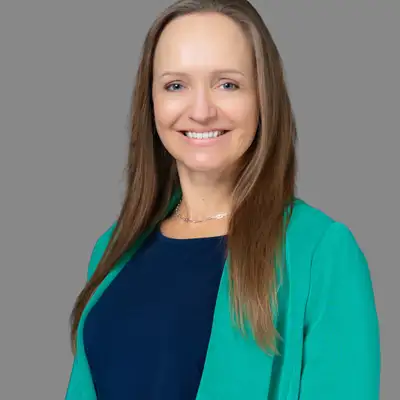
Amy McCarty: So I'm Amy McCarty. I have worked with Marcus and Rachel for over a decade. That's fun to say, you guys. Um, I sit in the seat of director of operations for Dillon Business Advisors and director of advisory for collective by DBA. Been in the accounting industry for a couple decades now, and just serving, serving others, helping with operations has really been [00:01:30] true for the last 20 plus years. And then just being more efficient with what we're doing internally and helping others see what is in front of them. But sometimes there's too much in front of them. So it's a good summary.
Marcus Dillon: Yeah. And, uh, you know, our success is directly contributed to all the work. And, um, you know, Amy individually, uh, both on the DBA side and then had the opportunity to bring her in as director of [00:02:00] Ops in October of 2023, I believe. And since then, you know, it's it's been good at the DBA side, but it's been even better on the collective side. So we're so proud of the work that we get to do with firms. And the fact that Amy is a co-founder of collective by DBA. Um, just it's been a good, a good couple of years. Uh, now we're more than a couple of years into the collective journey, but, uh, but yeah, appreciate you. Appreciate you. Um, [00:02:30] just being a part of all this and really glad that we get to unpack the topic, uh, that we're talking through today as far as the the acquisitions that have been done in 2025 as a part of, like, our growth initiatives last year, and then what it looks like 30, 60, 90 days after the acquisitions. And we're going to be speaking to the most recent acquisition today, the one that was closed [00:03:00] in Q4. So it was October 1st of 2025. Um, DVA closed an acquisition of a second firm in the Saint Louis market. Um, someone that we had known and got to know better during the due diligence phase of 2025 and obviously support a lot of that team now as as part of the DBA acquisition. So excited to roll up our sleeves, share real data, share real experience. [00:03:30] Uh, because this is the stuff that doesn't get talked about a lot of times in circles. People just congratulate you for the acquisition and no one ever talks about the assimilation, the merger, what it really looks like after the deal closes.
Amy McCarty: Should be some good stories today. That was our year of the goal is growth, not comfort. Uh, so we were.
Marcus Dillon: I can't believe y'all let me. Y'all let me use that line.
Rachel Dillon: Uh, you you totally tricked [00:04:00] us because you said that was completely about, like, leadership growth and personal and professional development. We really never took it through the lens. Like you never let on that. This was really about, like, revenue, team size, acquisitions. Um, that was not really the thought when we let you adopt that as our rally cry.
Marcus Dillon: Yeah, really, what happened is I looked up one day and I have a diminishing skill set that is no longer useful in the market going forward. And, uh, [00:04:30] in order to be relevant, I have to raise up a good team around me to support me and cover up all my mistakes. So in order to do that, we have to have budget to hire great people. And director level people is what we, uh, built around in 2025. And so, uh, acquisitions for us, it was just a way to do that quickly and move through a process of growth more, uh, more intentional than just do it from an organic lens. And we were able to bring on great [00:05:00] director level team members. Uh, one Angel Sabino, who's our director of technology in January. And then, uh, Erin Neutze, uh, our director of tax and financial planning in August. And so, um, you know, want to support them and support their families. And in order to have the budget to do great things, uh, top Line had to grow a little bit. So, um, that's that's full circle. Why why we did it and why I planted that seed. Um, I apologize if I fooled [00:05:30] anybody into thinking that it was all about personal and leadership growth.
Amy McCarty: We definitely grew. Yes, we definitely grew.
Rachel Dillon: We all got to apply that, um, in lots of situations. So we had lots of opportunities to make sure that we were following that for sure. Well, let's let's get into the conversation. I think that since this was not our first acquisition, we have learned from each one we had. As Marcus, as [00:06:00] you mentioned, we had much, uh, more skilled people technically and just different perspectives to come in and help with these acquisitions in 2025. And so for that latest one that happened in October, let's start even before the acquisition, with priorities and conversations, actions that were happening behind the scenes before, um, we actually signed on the dotted line.
Marcus Dillon: Do you want to talk about [00:06:30] internal, uh, things that were happening or, uh, just hit it from both internal and external?
Rachel Dillon: Yeah. Amy, we'll let you pick. Where do you want to start?
Amy McCarty: Well, maybe this is combined. Um, I'm going to start with this is both internal and external. We were meeting Regularly with leadership of the acquire the firm we were going to acquire or that we have acquired. So there was just a regular open line of communication externally with them, [00:07:00] so that we also then could be evaluating, uh, specifics of their firm and what would that look like? And does that fit what we were looking for for another acquisition. So what else would you add to that, Marcus?
Marcus Dillon: Um, I would probably back up just a little bit. Um, and the the main thing is we started 2025. We came out of the gates and hired Angel, which was a great hire, and we needed to build budget. And what we saw [00:07:30] happening in 2024 was we were starting to build excess capacity because of efficiency gains in our team structure. That team of three that we teach on and coach on, uh, but then also just technology wins and using technology better, using fewer pieces of technology better and being able to, you know, just see the the efficiency gains from that. So we saw capacity building. We knew that with that we either had to turn off the organic pace of growth, or we had to go back out into market [00:08:00] as an acquirer of client block or of a firm. And so we hired our first firm since 2016, in January of 2025. And M&A has always been a part of our journey. So instead of just, um, you know, disregarding it, we we kind of leaned back into it a little bit and said, hey, this is a good option, and we're used to it and we know, we know what's happened. Um, in previous [00:08:30] acquisitions, even though it had been a while. So 2020 5th January was that first one. Uh, it was with a friend that was a part of a long time friend through another, uh, consulting organization and community that we were a part of. We we knew that his business looked a little bit like ours, and would make it a little bit easier to do an acquisition, especially in a new market, uh, across state lines. And so we did that acquisition in January. We had plenty of conversations leading up [00:09:00] to that acquisition, and that was a small kind of dip your toes in the water acquisition.
Marcus Dillon: We were able to, uh, capture majority of the revenue. Uh, we'll still continue to refine that client list. We were able to keep, uh, one really great key team member. And, um, she has a place for growth and career path within diva now, so we're really excited about her. Um, but what that did what what the surprise was for [00:09:30] us as a leadership group and me individually was after we went back into the market as an acquirer, especially that Saint Louis market. Uh, we got approached directly by other people who said, hey, consider me next. If you're wanting to look at another firm. And so we started having conversations not only in the Saint Louis market, but in just a variety of different markets because of our peer network and, um, how [00:10:00] open we are and how open we are at sharing that, um, you know, people, people know us, they hopefully understand our values and our mission and they can see what we're building and trust us to be a good steward of their team and clients. So that started the conversation on the second acquisition. So that second acquisition, I think we started having conversations. It was I think as early as Q2, kind of immediately after that first acquisition, and we had [00:10:30] to be very transparent that, hey, we're just getting our our feet under us from this previous one that we just closed doing a lot of simulation. And right now we are not ready to go full force into a second one. And so that's kind of how it started. Amy, I'll let you also fill in some gaps just on those very early on conversations in Q2.
Amy McCarty: Yeah, I mean, you are right that because we had done one acquisition [00:11:00] that did then open the door of possibility of what else we were looking for. I will add that if an acquisition brings on a director level person like Angel and Aaron, who both of them, I'm super excited that they're here. I'm saying this publicly, Marcus, that I would be okay with another acquisition if it means another director level. Now that's recorded. Um, so early on, though, we were meeting just to one, [00:11:30] uh, to continue conversations and deepen relationship and taking what we learned from the first acquisition. So were there additional things that we needed to discover. Like how in line are the services that the acquired firm was providing? How in line are they with our services? And we discovered a little bit of discrepancy on the first acquisition. Right. We took lessons learned there, and we were just trying to make sure that we did better with the [00:12:00] second one. Yeah. So yeah, those happened all summer, though. We were having almost weekly meetings all summer, talking through things, gathering information, um, you know, minus vacations in there.
Marcus Dillon: Yeah. And that's where we really set the tone early on. Um. Hey, this is where we're at currently. This is what we're coming out of. Um, it this process will be a full 90 days, um, just to make sure that we're doing right and that we're setting the team up for success because [00:12:30] we could have easily stacked acquisition back to back to back. And you see that in today's market. Um, I think all of the rollups, private equity back or just larger firms kind of celebrate any time, you know, an announcement can be made. And some of those announcements within firms are made within weeks of one another or months within one another. And we just while that would have been cool and exciting, and we could have got some high fives and some celebration from peers, um, we definitely wanted to be intentional about [00:13:00] timing and not not, you know, impact the team and their lives so much, especially during summer when people are traveling. So we had all the due diligence, uh, time in the world, I think. And we were very thankful that the, the sellers, their timeline aligned with that.
Amy McCarty: Yes.
Rachel Dillon: So then let's just continue with kind of what it looked like for that acquisition. Again, this is implementing and adjusting [00:13:30] things we had done previously that did not work out as well as we had hoped. And so again, I think that we had taken a lot of the things we had learned previously and just made it better this time around.
Marcus Dillon: Yeah.
Rachel Dillon: So thinking through like even the very first week, like we signed and then first week priorities. Um, as far as the acquisition.
Marcus Dillon: Yeah. Um, we've we've done a great job and an even, uh, [00:14:00] just a much better job since Amy's come on board in Q4 of 2023, uh, with just better defining the new employee onboarding process and what that looks like and what their first week looks like. So we pulled from from that process, which DBA had been doing that for years. And, you know, Rachel, you were meeting with new hires and new team members as, um, you know, setting the tone for culture and, you know, giving the story of DBA. [00:14:30] And then we would always build in time to have training and have one on one connection with other team members. So I think a lot of that also happened with the on the other side of the close of the acquisition. Um, Amy, do you want to give some specifics on, I guess mainly if there's any differences between that new team member onboarding the first week or, in our situation, the acquisition first week?
Amy McCarty: Yeah, I [00:15:00] will say that I'll talk from an acquisition standpoint because from a team member onboarding, I made it better by just stepping in and taking it off of Rachel's plate. Um, is how I made it better. But, uh, for for our newly acquired team, you know, they are they have a way that they have been doing things. And so the important thing bringing them into the team was helping them understand what is staying [00:15:30] the same and what is changing. And what does the next 30, 60, 90 days actually look like? Because for them, they're still surfacing the same clients, and they need to be able to access the necessary programs in order to continue to do their daily work. Right. The biggest changes for them are the name of the company that they worked for has changed, and where they're getting their paycheck from has changed, [00:16:00] right? But otherwise, their same clients, same daily functions that they're doing. So we spent you know, I'll even talk about we went and visited the entire team and we spent an entire day just trying to bring awareness, one, as to who we are as a company. Um, but then also, what does this look like and what is what to expect as you start to come in, and what are you going to be [00:16:30] learning and what is going to be different. And so I think that that along with making sure that they had access to everything that they need, that's the fun planning in the background, right. So Angel and I are determining when can data migrate. Data migration happen, and can all of the dominoes fall in the right order so that they can migrate over to using their Dylan advisor accounts versus their old accounts that they were [00:17:00] using? And so all of that planning, all of that in place to hit appropriately, while also, if you two remember, uh, planning our collective bi dba gather conference that was happening, uh, three weeks after close in Dallas.
Marcus Dillon: And Intuit Connect being on stage and being sharp and speaking there. So October was a great month for us. Um, I personally, the day of close was I [00:17:30] was in California with Intuit Partner Council, so I wasn't in like my normal setting. Um, so it was just it was a busy good month. Oh, and then there was an October 15th deadline as well. Can't forget that. Um, so yeah, it was it was a good, um, just a good full month. And I would say we try to be very transparent, um, to that team, especially when we went in late September and got to meet everybody face to face kind of present. [00:18:00] Um, you know, the, the job offer and the handbook and make people feel at ease. Um, so all that was done in person before close. And we were very thankful that the owner, uh, owners allowed us to do that, that they had enough trust within us, uh, leading up to the close. And we didn't we didn't meet any clients or anything like that. It was just internal team. And they wanted to have those conversations with team members before the close so that they they felt [00:18:30] good about the next steps. And so that doesn't always happen. You know, I think, um, people that are listening to this or even, you know, being involved in previous transactions, we have to point out where where we did have, um, some, some grace or some blessings, uh, that maybe others do not have in the market. And I think that's just part of people that that know us and have us as a peer.
Marcus Dillon: And we've gotten to to know them. And definitely, [00:19:00] uh, in this situation, we got to, to deepen that relationship over the 90 days leading up to close during due diligence. So I think that all goes hand in hand with, you know, how we do life as also how we do business. There's no separation a lot of times. And we want to make sure that we're being respectful and, um, you know, being transparent and identifying things that may not align Quick, quickly. Um, so. So that was [00:19:30] that was that, um, the first 30 days for that team were definitely, uh, a little bit different, I would say, than a new team member start. Because if you think about a new team member, they come in, they have no work. They have 100% capacity for all that training, all that learning. So, uh, a team member that is starting as part of an acquisition and has to go through all, maybe most of that same new hire onboarding. We had to spread that out because they're also they have [00:20:00] existing client relationships, uh, continuing work that needed to continue to go out the door. And, um, we had to balance that out and probably spread out. What is a two week employee onboarding? Um, into maybe 4 to 6 weeks? Um, and be very intentional about how we spread that out. And, and knowing also that the first two weeks of that were the end of a tax season. So.
Amy McCarty: Yes, where we were not changing anything in those two weeks. Right. And so really the the real [00:20:30] onboarding started after the October 15th deadline.
Marcus Dillon: Yeah.
Rachel Dillon: I think something that I learned, um, through this is that that pre meeting the team and interaction is not as uncommon as I thought. So I did not think that any firm would want someone coming in and talking with their team and telling them different things and even introducing themselves before [00:21:00] the deal was completely done, because we've seen deals be pulled kind of in the final days, in the final weeks and not actually go through. But the more people that we've talked to and learned from, that's actually not that uncommon, that within probably even 60 days before close that you would start meeting team members and start getting to know processes and what things look like that need to be changed. Um, one other thing that [00:21:30] I just wanted to really highlight, and that's Amy and Angel in getting both firms, uh, connected into one communication environment. So for us, Microsoft Teams, that was so helpful. Prior to that, we were communicating kind of, I would say disjointedly through email. And that was super hard to, um, communicate as quickly and as effectively as we do on a daily basis with our team members. So there were some challenges there, [00:22:00] for sure, making sure that everybody understood and was on the same page, um, like understood intent of what? Conversations or messages or timelines, what those things meant versus just seeing the words on a screen. And maybe it's delayed by a day or hours because it's going through email versus jumping on a video call or sending a quick chat through teams. So that was super helpful. As soon as we [00:22:30] were all in the same normal communication environment like we have with our whole team to make that easier. So I think definitely prioritizing that first, um, as soon as possible, uh, once the acquisition is complete, to make sure that communication is just, uh, has the best chance for success versus trying to communicate outside of whatever your normal [00:23:00] kind of rhythm and culture is.
Marcus Dillon: Yeah. Uh, you brought up a really good point, and I was actually surprised. You know, we already mentioned being thankful that we were able to have those conversations, that meeting ahead of close ahead of, like, money, you know, shifting from buyer to seller. Um, so the thing that we found out and surprised us was, uh, I was talking to a friend who, um, merged into a larger private equity backed [00:23:30] firm and at Loi. So you're talking maybe 60 days out, 30 to 60 days out. They started migrating data into that firm and starting setting up different tech stack into that firm. And it hasn't closed yet. So every deal continues to be different. Um, when you're working with some of these larger firms and merging in and, you know, all the process that happens, uh, it was very surprising to hear that what was happening [00:24:00] well, before the close, before things were legally signed and in place. And then obviously, the day of closing is just kind of this, you know, boring. Hey. Yeah, it's all signed, you know, and the attorneys each give the green light to say, yep. Good to go. Good to go, and then maybe some money transfers depending on the deal structure. But that was also a surprise. And you know, while we're thankful of the pace and the conversations we were able to have, it was also, [00:24:30] you know, every deal is a little bit different, including what is done before the close.
Amy McCarty: Would you on a on a next acquisition, would you consider starting things sooner than we have on the last two?
Marcus Dillon: It really depends. Um, you know, I think I would be open to it depending on time of year and things like that, and really being open to it for the long term success [00:25:00] of the the acquisition or the merger or, you know, assimilation. So whatever we can do to get ahead of that and make sure that both parties feel comfortable from a legal and accounting standpoint and people are going to abide by the agreements that they've signed. It's still, you know, in question whether the deal closes or not, all the way up until the very last signing and until funds are transferred. So [00:25:30] that's why we were a little bit apprehensive on meeting any clients or meeting, you know, too many different people outside of the internal team because, you know, an attorney's there to provide, like worst case scenario and worst case scenario is the deal doesn't close. And then you've told public, you know, external people about this deal. And now you kind of have to walk it back and what that means. And we've honestly we've seen that, um, in the market, we saw where a very large Texas [00:26:00] based, um, regional firm was going to was going to merge and combine kind of a larger firm with a, uh, a firm based out of the Carolinas.
Marcus Dillon: And it was going to be a merger of equals, so to speak. And that had been discussed and planned. And then from a culture perspective, maybe some stuff didn't align and they agreed as firms not to do the deal. Which honestly, after I saw that, like, I respect both of those firms, probably more because they were [00:26:30] able to actually say, hey, this isn't going to be a long term fit. There's some things that came up during the due diligence process. And even though we've been public about this and had, you know, some disclosures and kind of shared some things, we're going to walk this back and each go our separate way. So, um, as opposed to just doing a bad deal. Right. That causes a lot of heartache and things. So I think a lot of those two firms, um, you can probably figure it out if, you know, Texas and Carolina firms [00:27:00] and mid-size regional firms pretty well. But, um, that was that was interesting. So but it applies that smaller. To answer your question, yes, I would be more open to what we do as long as both parties feel comfortable?
Amy McCarty: Yeah, that makes sense. I mean, the biggest things, when you're coming right out of the gate of moving forward with the deal is back end technology. And so making sure that data is migrated successfully and available to the team. [00:27:30] And Angel's got that figured out from a standpoint of anything that has changed since he started the data migration. If we just talk in accounting world like tax data we need coming out of tax season, we need the most recently filed tax data out of the tax program. Well, that can easily be copied and then updates can be copied.
Marcus Dillon: So yeah. Well let's talk real quick and give a little bit of insight into just the tech stack and what that looked like really for 2025. [00:28:00] So Angel was hired at the beginning of 2025. We knew that we were going to be closing this first acquisition in 2025. And so Angel's got history with DBA, much like Amy did. Angel was, uh, our, our external MSP, a service provider. He was a client. Um, so we just have, you know, background with Angel, and, um, we were very fortunate that he was able to join the team in a director level role, but we we kind of tasked Angel [00:28:30] out of the gate in January, like, hey, we need to, you know, essentially prepare for an acquisition and get some things right. So Angel rolled up his sleeves, created a whole new Azure environment for our team to work in. Um, granted, you know, like if you consider the start of tax season, January 1st, tax season had already started. And so angels in the background building furiously. Amy, you're supporting him as best you know that you can. [00:29:00] I'm just over in the corner not knowing what to do. And so um, you know, 30 days after Angel starts, we've got this, you know, enterprise level Azure protected bubble that he's managing as our director of technology.
Amy McCarty: Right before that first acquisition.
Marcus Dillon: Yeah.
Amy McCarty: Got it done well before then.
Marcus Dillon: Well,if you remember, we were having, uh, team member, like, onboarding into the bubble. We were onboarding both existing [00:29:30] DBA team members and new DBA team members that same week. So it kind of all went live at the same time. Um, if you're thinking about growth and scaling. Highly recommend that you do that. Um, Technology Infrastructure Foundation. Well, before, uh, you close an acquisition for us, we just like to do crazy things over here. And timeline is of, uh, you know, it's not a factor, I guess. So we [00:30:00] we were able to pull that off, uh, just because Angel is so awesome and kind of got the technology in place. Now, that first firm they were on infinitely virtual and they that's how they were set up. Infinitely virtual was great to work with. Angel worked directly with them to make sure all the pieces of technology were migrated over, um, into our environment, which we're a Microsoft shop. So, you know, the the server based software is run on Azure and [00:30:30] Remote Desktop environment. And, um, you know, we're set up on Microsoft Teams, OneDrive, SharePoint, all that fun stuff. So, um, you know, that's our bubble, so to speak. And anything else to add, like on that first technology acquisition, uh, first acquisition, technology wise, 30 to 90 days.
Amy McCarty: The biggest things on that one, which will be similar with the second was like core programs were the same. They were a Microsoft [00:31:00] shop. We're a Microsoft shop. They are Thomson Reuters shop or Thomson Reuters shop. From that standpoint, I mean, ultra tech's ultra techs and fixed assets, right? That was similar. Um, but they were using a different portal system. They were using Licio. We had already transitioned to canopy. We had used Licio in the past. Right. So that was the first acquisition having to change how clients were interacting with the firm. [00:31:30] But because that acquisition happened at the beginning of the year, we opted to keep Licio in place throughout that tax season. Right. Not too much disruption for both internal team, as they had been accustomed to working with Licio and communicating with clients, and not to too much disruption on the client side. And so then after tax season is when we communicated a change and access to licio etc., and [00:32:00] then migrated that those clients and their communication with us to email and canopy portals.
Marcus Dillon: Yeah, so we learned some lessons in that first one in the earlier one. And we applied those in the in the second one. So tech stack wise on this second acquisition, um, and we'll definitely get into like the 30, 60, 90 days, what that look like on the second one because it's still top of mind. Um, very similar tech stack. So uh Thomson Reuters ultra [00:32:30] tech firm, um, you know, QuickBooks, essentially QuickBooks online as the main g.l, um, they actually had in place. Um, and that was, you know, I guess the third time that we've had to transition away from Licio, which.
Amy McCarty: Made it easy, though, because we have all of that communication already written.Like.
Marcus Dillon: yeah, we had to modify a little bit of it, you know, but it was still good. Um, but the one, the one change there is, they weren't in a hosted environment. They still had on prem server, um, that they were using [00:33:00] for some of those, for some of those server based program, so that was the only major difference. Um, first acquisition to second for that 20, 25 year. Um, do you want to talk about now, if we did this October 1st, October 15th, we left everything in place. We didn't change any technology, no email addresses, nothing like that. The first 15, maybe even 30 days. I think we were building in the background, preparing [00:33:30] for them to come over, but they were operating in their own bubble for the first 30 days. Is that correct?
Amy McCarty: That is correct. With the exception of what Rachel said, the only priority we had was how do we get them inside of Microsoft Teams? Because that is where we live from an internal communication standpoint. And so that required a little bit of maneuvering only because they are they were a Google shop. And so uh, we [00:34:00] had to Angel needed to work his magic and he made it happen.
Marcus Dillon: Google and slack. Those two as.
Amy McCarty: Correct? Yep. Yeah. So we were able to get them in. But yes, you are right. Everything else we left alone because we were still working through extension season.
Marcus Dillon: Yeah. So really for us that first 30, um, we kept things in place. We wanted to make sure that the team was continuing to work. Obviously, we layered in teams to communicate. We layered in some [00:34:30] DBA specific onboarding trainings and things like that. So that was the first 30 days. No major disruption of the team. It was just making sure that they felt confident. Um, one, that they had a great opportunity as far as long term employment, uh, with the team and that they were going to be serving clients in a very similar manner with similar programs the next 30 days. So the first 60 days, I would say, um, 31 to 60. That's when we started to roll out, preparing for and getting them [00:35:00] internally into the bubble, getting them using canopy, getting them in our Azure environment, moving clients from their ultra, which was on prem server base, to our ultra, which was virtually hosted on Azure. So from a team member standpoint, from a technology standpoint, what stood out those next 30 days for y'all?
Amy McCarty: So that would be making sure the team knew how to use the [00:35:30] new solutions. So migrating to canopy, how do they track their time? Do we have all the jobs set up inside of canopy so they know what they're working on? Right. Making sure that all of that existed and that team knew how to use that solution also, then trying to minimize the number of different places that they were logging into things. So if you remember, you did this from a hot spot, I think, in your vehicle of migrating from their [00:36:00] QBO realm into our shadow realm, and making sure that that migrated well so that everybody could access what they needed in order to get their work done. So it was a lot of that. It was, hey, this is what we use. This is how you use it. Scheduling trainings for people to jump into, recording those trainings for people who couldn't make it because they were servicing clients and still meeting with clients. Yep.
Marcus Dillon: Yeah. Rachel, does anything [00:36:30] stick out to you?
Rachel Dillon: Well, I have um, I have questions for you guys about what would be best practice and what would be the reasons to do it. And I'll I'll ask a leading question sooner than later. But when we talk about our communication, um, options. So thinking about liscio, thinking about, uh, practice management solution. How long is reasonable to leave it turned on [00:37:00] and functioning, and how quickly before you turn it off if if not in like a year contract or something like that. But how quickly should someone plan to kind of disconnect discontinue use of those old systems? And I'll say specifically related to like practice management and internal or and or client communication.
Marcus Dillon: Yeah. Um, I'll, I'll take a stab at it [00:37:30] first, Amy. And then you can fill in any gaps. Um, and I'll start with our goal in both of these acquisitions was to bring them in under a, under the current DBA brand. Um, and so with that, uh, you know, it's same email addresses, same brand that is public facing. And that's how we'll answer these questions. Other people may have different models where you use a variety of different software, depending on the brand that you're bringing to [00:38:00] the new buyer or the new group. But for us, it was getting everybody into all one system, all one brand, all one forward moving US identity. And with that, um, to answer your question, how fast do I want to turn off those technologies that the previous firm was using? I want to turn those off as soon as possible, because they're not going to be a part of the continuation, uh, of brand [00:38:30] and client service. And as soon as possible. But as soon as reasonable is probably a better term. Um, like, we don't want to lose anything or cause disruption, both internally or externally, but we also don't want to recommit to another 12 month subscription or, you know, really incur a lot of month to month stuff. So on both acquisitions, um, solving for, you know, the hosted solutions, which can get pricey pretty quick. We already have the home that we're going to, so it's making sure we can get it over there in a timely manner.
Marcus Dillon: We capture everything that needs to be captured [00:39:00] and then turn that relationship off. Um, from a technology standpoint, Amy brought up a great point into it was a good partner in this, um, their new tool that consolidates realms of as part of Intuit accounting suite, um, was slick and worked um, from the hotspot of a car. I was able to do it on the way to a swim meet. That is legitimately what happened. And and part of that is we took the the EBS realm [00:39:30] and the DBA realm, and we combine those two. So we brought over the Qbo accounts and absorbed all of those fees, um, into DBA within, you know, just a few processes within that Intuit um, tool that they have and that got everybody into one login environment. So we didn't have Eve's former team members logging into one QuickBooks. You know, realm and then logging out and logging into another for accessing DBA [00:40:00] clients into it was great. Adp, which we partner with and you know, advise with as well. They weren't as smooth. So Eva to consolidate realms and to bring over those newly acquired clients into all one, they actually wanted to re onboard and have things signed and um, it just caused client conversations and maybe disruption and confusion. Um, so what [00:40:30] we chose to do there is we, we rebranded, um, took over the previous EBS, uh, ADP realm of clients and branded it all DBA. And the goal there will be to keep those clients there until there's an opportunity to move them over.
Marcus Dillon: Um, maybe some of those clients, you know, transition off, but we will keep two logins there. [00:41:00] It's just the EBS team has a login to their EBS ADP account and the full DBA account. And then all all um DBA clients moving forward will be added under the DBA broader one for ADP. So, uh, the other thing was just looking at other consolidation within uh, similar tech stack. So ultra tax is an easy one. Um, to know that we were, you know, going to consolidate that down into one subscription, letting [00:41:30] them know that we're not renewing on that EBS side. And that's where part of acquisitions, like a lot of the profit, um, could, could be, um, is as a result of, you know, combining softwares and able to save on a two firms that are similar size, maybe having the same software spend. And you know if you've got unlimited seats or different structure, um, then some of that's no longer needed, [00:42:00] just given the growth in the scale of the business. So that was definitely a win. That's why we were trying to be good stewards of the budgets we have, and turn off technology that was no longer needed. Um, from a practice management standpoint, they were on on veo, which we had experience with on veo as well, but they were already looking at a canopy migration earlier in the year. And what we told them was, hey, love that you're actually going to be on canopy if we come together. [00:42:30]
Marcus Dillon: Um, why don't you not do that? Um, that migration yet? Because we're going to have to migrate everything into a DBA. So we actually were able to kind of have them pause, um, starting, uh, practice management migration because they were going to be a part of ours at the end of the day anyway. And so I think that's that's good advice to understand regardless of where you are. Obviously, if you're in on the acquiring side, you want to make sure [00:43:00] that your software, your processes, your stack win. At the end of the day, you still want to make sure that you're evaluating what maybe the the incoming firm does. And if there's things that you can take away and use and build upon, then great. But you just want a really solid thing, you know, solid stack that you can build upon. If you're on the other side, maybe you really start to question, do I need to change software? Do I need to do this new implementation or anything like [00:43:30] that? If I'm a year or two away from being a part of another organization? Anyway. So I think those are things that we saw, um, definitely in both firms. The first really 31 to 90 days. I would give that window the next 60. Um, Amy, anything else to add there from like a tech stack movement pace of movement standpoint?
Amy McCarty: The thing that I'll add is that on some of the applications, we can't necessarily [00:44:00] cancel them. Right. Like as soon as possible. We would like to be done with them. But what we can do is we can move down to a single user or only have two logins. So for example, like Envio, right, we can downgrade so that we're not paying for ten people to access it anymore, but we may still need access to Envio or to Licio for a short window of time. And so we've [00:44:30] just we've just made sure that we are at the lowest level that we can be at for the ability to still access that if there is something that from a licio standpoint, a client is still communicating in there. We might need to pull that right. From an envio standpoint, we should have everything that we need. And now it is let's confirm and let's go a couple months and make sure there isn't anything that we're like, oh no, we forgot to pull this and then we can get rid of it. So if you [00:45:00] can't cancel it all the way, you can try to get it down to the lowest level possible so that you have access to it. And then it's like when you clean your closet and you turn the hanger the other way, and if you don't ever use it, then it means you need to get rid of it. You know, if we reduce it to the lowest level subscription and we never touch it, well, okay, we probably didn't need anything that's in there and we have successfully migrated. Maybe not a good analogy, but, you know.
Marcus Dillon: No, it's perfect. Uh, the other [00:45:30] the other thing that I mean, we did we did this from a business lens, and I've already mentioned my diminishing skill set. Um, on the technical side, uh, as being a CPA, but from a business mindset and why you would grow a very important part is how you get paid. And so I don't want to just glaze over and not mention how you get paid and how you invoice out clients, because that is where I live. And like that's where I advise clients. That's where I think part [00:46:00] of DBA success relates to how creative we've been from a pricing standpoint, how we always moved proactive, um, cashflow and ACH when at all possible. So the first acquisition was 50% MRR, 50% annual recurring. Um, in that situation, we moved a little bit faster to get payments moved over and accepted because that former owner was [00:46:30] moving on career wise. He he wasn't coming over and was no longer a part of DBA. So we needed to capture that. And because most of those annual were annual engagements where people were invoiced once a year. They would either pay with link or send a check. Um, there wasn't much disruption that we had to do there. The more on that side, um, it was actually invoiced monthly, but not ACH monthly. So that also gave us the window to kind of [00:47:00] redirect payments, uh, through different ways, which is fine.
Marcus Dillon: So that one was a little bit easier. Fast forward to October 1st. That firm is three times as large as the first one, and its MRR is two thirds of total revenue. So two thirds of the total revenue was actually invoiced and drafted in real time, which we had to solve for because we wanted to continue that cash flow. That's part of buying a business with [00:47:30] MRR. That's the benefit of it is the very next day or next month. Those cash receipts come in and the invoices go out or however that works. So what we did there is the one third that was RR just in advance payments. We didn't have to address it immediately, just given the time of year. But the two thirds, the MRE we needed to address immediately. And for us, we kept the EBS payment processor [00:48:00] in place there. Same system there, same kind of M.O., um, operationally in place for three months. That way, clients were used to paying on the 10th of the month, used to the same amount being drafted. We didn't change that. We had an agreement with the owner. We didn't take over their bank account. We didn't switch the deposit account. Those are two things that you could do. We had an agreement where they would reconcile. They would forward that to us as timely [00:48:30] as possible. A few days after all those deposits showed up.
Marcus Dillon: And that that worked for us because of the trust that we had with one another, and the second firm was a husband and wife team that owned it. The wife was able to focus on additional things outside of accounting and tax. After close. And, uh, the husband in that relationship actually came over and is working with DBA for a few years. So he's in teams. It's it's good. And then the rest of the team members, including their [00:49:00] operations, administrative professional on that side, also came over. So Allison coming over was still there to take point on any checks, any payments, any H's not working the way they should. And she was able to reach out to those clients to make sure. And then she would help with transferring those over. So that's a big part of the tech stack. I mean, I would much rather talk about getting paid and sales and receipts and deposits over like tax returns and GL and [00:49:30] all that stuff all day long from a business owner standpoint. And so I. I didn't want to glaze over that. Um, so do you want to talk about now that we're on the other side of this on both firms and going into year two of services on the first firm and year one of services on the second firm, what does it look like from an engagement letter perspective and a payment perspective on that side?
Amy McCarty: So I [00:50:00] will say that we kept the EBS in place, their payment solution in place because of the yearly contract that the monthly clients signed. And so that coincided with their yearly contract ended with their last payment here in January. And so new engagements have been sent out to all clients, even existing DBA clients that didn't come from an acquisition, because we are in the process of standardizing [00:50:30] our engagement letters across all clients. So those have all gone out and payment information has either been entered or is being collected. And all of those monthly clients are set up to auto draft inside of DBA system. Right. So we now are owning and controlling those payments, and there will no longer be shifting of money from previous owner to DBA, [00:51:00] but going into this year. So we're headed into tax season, right. It's January. We have uh clients from first acquisition coming back. We prepared their returns last year. And so we have team in place to be able to handle those clients. There were annual tax clients that needed to be, uh, handled last year. We had team working on. We've had a little bit of shifting of teams. So it's making sure that everyone knows what they need to be doing internally and that clients [00:51:30] know how to work with us. And then same for the second acquisition that we just did, EBS. This is our first tax season servicing these clients. And what's most important their one clients are interacting with us different. They're interacting with us via canopy. So that will be new for them. But it will be internally team. And what does the process look like for them with some of the new applications that are being used like canopy for receiving information. So [00:52:00] it's going to be a fun tax season.
Marcus Dillon: Fun with an asterisk right? Yeah.
Rachel Dillon: Thank you to both of you guys. I know we are coming up on time and I know that we could definitely talk about this, you know, hours and multiple episodes. And so we'll have to come back and revisit how the second acquisition is going as we get further into the year. Um, I do want to say that because of Amy, we do have a documented timeline of priorities. Um, so [00:52:30] we do have that, that we have used internally with DBA and shared with our firms that we're acquiring. And so that may be helpful to someone listening. If you think it would be helpful to you, just let me know. Um, email me Rachel at happy to share what we can and help through anyone pursuing an acquisition or just thinking about it for the future. So thank you Amy for sharing and being a guest today. Thank you Marcus, and we'll see you on the next. [00:53:00]
Marcus Dillon: All right. Thanks so much.
Rachel Dillon: Thanks for listening to this episode. If you enjoyed the conversation and want to learn more, be sure to visit. You can schedule a meeting directly with me, Rachel, by clicking on the Contact Us page. Be sure to subscribe, like, and share so you don't miss any future episodes. We look forward to connecting with you soon!
Creators and Guests