One Year Post Firm Acquisition: Retention, Revenue, and What We'd Change
Attention: This is a machine-generated transcript. As such, there may be spelling, grammar, and accuracy errors throughout. Thank you for your understanding!
Rachel Dillon: This is Who's Really the Boss, a podcast for accounting firm leaders who want to grow with intention and lead with purpose. I'm Rachel Dolan, and along with my husband, Marcus Dolan, we share real stories from our accounting firm, Practical firm growth strategies, and the tools you need to lead your clients, your team, and your life well.
Rachel Dillon: Welcome back to another episode [00:00:30] of Who's Really the Boss podcast.
Marcus Dillon: Hey, thanks for having me back.
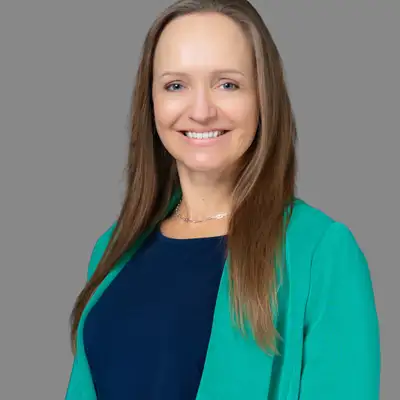
Rachel Dillon: We have a special guest. I think it might be her fourth time being on the podcast, maybe five, I can't remember. But Amy McCarty, our director of operations and co-founder of collective by DBA, is joining us today.
Amy McCarty: I have also lost count, but thank you for having me again. It's always great to be here.
Rachel Dillon: I think you need to be on like every other month. So we probably need to make this more of a regular. [00:01:00] You add a lot to the conversation. Just because you are doing a lot at DBA and in collective. And so, um, thank you for agreeing to be with us today and share with the listeners.
Amy McCarty: Thanks for having me.
Marcus Dillon: Rachel's just trying to give away all of her jobs and responsibilities. So, uh, next week, Amy is going to co-host.
Rachel Dillon: I did almost say you should just co-host the podcast and then you can be on here every single time. Um, yes, [00:01:30] I, I am. We'll share more about those updates as time goes by. What other responsibilities I have given away recently. So, um, but today we'd love to share with listeners and maybe I need an update as well. Um, but an update on one year later. So we acquired, um, actually two firms in 2025 and we'd love to talk through what does it look like one year [00:02:00] after an acquisition? Where are we really? Um, with Dylan Business advisors as a full team, as a full client load, all of those things. Um, but in case, in case someone hasn't met you yet, Amy, will you just give a little background and tell listeners who you are? Um, anything you'd like to share about yourself?
Amy McCarty: Sure. So I'm Amy. It's nice to be here. I actually sit in Michigan, so I work remotely from Michigan. [00:02:30] I have learned a lot about Texas over the last few years, which is great. Um, I love Texas, but I also love Michigan. I sit in the director of ops seat. Um, and also as co-founder and director of advisory on the collective side, but I've spent years and years and years in the accounting industry helping firms, actually helping Marcus and Rachel at DBA before joining the team. So Love just helping people navigate [00:03:00] all of the things that are happening in an accounting firm, especially in this day and age. So it's lots of fun. Enjoy doing it.
Marcus Dillon: I love how you always claim Michigan, but you're so close to Ohio. Yeah. I do Ohio every day, right?
Amy McCarty: Yes, yes, I do frequent Ohio a lot. But I will never live in Ohio. Sorry. Ohioans like I'm a Michigander.
Marcus Dillon: Yeah. Toledo Mud Hens is your team of choice, right? [00:03:30] Like all, all that Toledo brings is.
Amy McCarty: All that Toledo. They're like the minor leagues for the Detroit leagues, you know? So like it. It works.
Marcus Dillon: Yeah. Well that's good. Hopefully people understand context. And if you've ever if you've ever met anybody from Michigan, they pull out their hand and show where they live on the hand. So Amy's at the base, right? Um, yeah. So you've learned a lot about Texas. We've learned a lot about Michigan. We've got, you know, you and other team members and friends that are in Michigan. So it's good.
Rachel Dillon: I [00:04:00] think that we've we know Texans love Texas. And I think we've learned that Michiganders love Michigan as well. So it's almost equal in that sentiment. So we share that even though we don't share the same state. So love that. Okay, let's get into about a year ago, September, the end of September, September 30th, 2025, we closed on an acquisition, um, the name of that firm, Enterprise [00:04:30] Business Solutions. And I want to actually talk through just a quick recap of that deal, um, starting with why, why was EBS a great choice for us and Marcus and Amy, I'll let you all fight over who wants to answer.
Marcus Dillon: Yeah. Um, let's back up a little bit further. Uh, 2024. We knew based on, our growth that we were having at the time, that we were going to go back into the market as an acquirer. So we did an actual another [00:05:00] acquisition in at the beginning of 2025. Um, that was a smaller acquisition, 600 000. Saint Louis market ebbs that we were introduced to Bob and Leslie Kluge after that first acquisition. We knew them from previous, uh, just circles and relationships that we had. Um, so after we did the first Saint Louis acquisition, they actually reached out, raised their hand and said, hey, if you are interested in doing another one, uh, [00:05:30] let's talk. And so like, that's, that's how we got to, you know, start the conversations. Both acquisitions that were done in 2025. Ahead of that, we, we were reviewing firms that were available to acquire. We had some, um, lines in the water, if you will, just kind of reviewing some things. And for those of you all that do that and review firms for sale and you know, everything, you can kind of pick out pretty quick which ones you don't want, [00:06:00] um, based on owner hours worked or profitability, or maybe a client concentration or a key team member risk.
Marcus Dillon: Um, so those were the things that we were seeing before both of these acquisitions that we ultimately closed in 2025. So EBS was two and a half times larger than the first acquisition. So that was part of it as well. It just created a bigger base. Um, even Bob and Leslie were involved [00:06:30] in the business on a day to day basis as owners, but their time was actually pretty healthy. And the roles that they were in as far as the existing team that we had. So that's what we looked at. Profitability was there, but we also could see that by bringing in the firm into the existing DBA structure, There was going to be a lot of cost efficiencies with that. And then probably the final thing, clients, clients were good, but then team members were good as well. So those are [00:07:00] the things that stood out to me. Amy, from the ops lens, from just somebody else that I invite into that process. What stood out to you as far as EBS?
Amy McCarty: I'm going to echo the team side of it, right? Like as we thought about DBA and our pod structures and we knew we would be forming additional pods, right, that here we had a firm that really was set up with a pod structure that we could roll [00:07:30] into our team. So that was, I'll say from my side, right. And rolling that in also, when we back up, the first acquisition that we did had been the first one in a long time since I was part of the team officially at DBA. And so that was smaller intentionally, like you said, Marcus. Right. As we learned a lot from that. And then the next one, we were still larger than EBS. And [00:08:00] so the idea always right? Not trying to absorb someone who is larger than us. Yeah, it was pretty comparable, but we were still the majority, I guess I would say.
Marcus Dillon: Yeah. No that's fair. And we just in the in this process, we always knew we wanted to be a culture processes kind of, um, guidance to win out over an acquired firm. And so we've always been very intentional about the size of that firm. Uh, the other thing for both of these, [00:08:30] uh, EBS especially was, uh, the amount of revenue on monthly recurring kind of contracts and ACH that was coming in without sending an invoice or, you know, calculating hours or all that stuff, which some firms still do. Uh, was more than 50%. Uh, it was actually closer to 60% on EBS. And so that's DBAs makeup as well. Prior to acquisition, we were approaching 80% MRI. Uh, and that was part of the reason why, um, [00:09:00] you know, these acquisitions made sense was because as we approached 80% MRI, there was just less opportunity within our existing client base for conversion of annual clients to monthly clients. And so working with existing clients and converting them to monthly has always been the sweet spot. Like these people know you, they trust you. If you make a recommendation like, hey, we need to see you more often, or here's a better plan for you and you can show why. Uh, that's always been [00:09:30] an easier transition than an off the street client, uh, that maybe doesn't know your team or how, how good of a situation they've got. So those were a few things that also really checked the box for both firms.
Rachel Dillon: Yeah. I will say those are the things definitely that stood out. When you look at a firm on paper, when you know a little bit of background about a firm, you know, a firm a little bit, and then I'll, I'll start and then [00:10:00] you guys fill in more things. But what after we started even pursuing or, or thinking about the possibility of adding those firms was really looking at their mission, vision and values. What did the values of the firm look like? And Marcus, you even mentioned culture like we wanted dBASE culture, um, to win out if one had to change. And what was really [00:10:30] interesting, um, and really positive was that EBS and dBASE, uh, values and mission vision, one of the two were very close to each other. They were all very much aligned. So there wasn't like there was going to be this huge shift for either team by coming together. Um, I'm sure that there's more to that or even more details around that, but I know for me, that was really what sold me on the deal was [00:11:00] we were going to have great team members. Um, services and pricing were similar. Um, and then also the values alignment was huge. Um, in saying, yes, we should pursue this as a possibility.
Amy McCarty: Do you remember, Marcus, that we went through an exercise where we, I think I used Claude maybe or copilot at the time. Right. I took our mission, vision and values and said, hey, we [00:11:30] want to assess firms and we want to make sure that we're staying true to who we are, what our values are. And so created a worksheet that Marcus and I both went through to like rate. All right. Are we making the right decision with this firm. Does it align? Do you remember that?
Marcus Dillon: I remember that, and that was like the early days of AI assistants, right? You know, I'm sure today it would be such a better advisor on a variety of things. And within all of [00:12:00] this, for those of you that are curious about M&A or have gone through an M&A transaction, you only know so much prior to the transaction closing and coming together. So even things on paper may state a certain thing. And like that gave us hope, right? Like that. It was documented, uh, that they had good intentions, that those intentions aligned with our, like what we knew about ourselves. And so that, that was, you know, just [00:12:30] it kind of aligned with where we were at and what we were willing to do compared to other firms, um, who are more brick and mortar legacy old school CPA firms, annual tax returns, no documentation of a mission vision values. Um. It's just this one was a, was a better fit and, um, part of it, like the good thing with both of you and then Leslie being on the leadership team as well is y'all, you can, you know, fact check me and keep me in check [00:13:00] on certain things because I'm going to sell myself and then I'm going to try to sell you on why this is a good idea, right? Um, the revenue, the reason why we did this was because, uh, part of DBA story is we hit this revenue mark, uh, between 2 million and 3 million. We kind of hung out 2.5, 2.8 really way too long and, um, not way too long. Like that may be a mistake to say, but, you know, during that time [00:13:30] we were learning, we were evolving. We were, um, shifting from annual to MRR.
Marcus Dillon: Um, but that hurdle over 3 million breaking through that, um, it just everything that we did, we would add new clients and have successful years and big wins and then it would just not hit. And so part of us, we just looked at revenue as a way to increase budget because budget allowed us to invite new team members in new positions [00:14:00] that we didn't have before, that we wanted to give people career path that were already on the team. And so we just needed a larger top line to be able to do that. And that was just the growth. So our goal as a leadership team was, how do we get to $5 million of top line revenue? And we could have done that organically. Um, the IPA top 500, you know, list just came out a few weeks ago, months ago, and it showed that across all of those firms, organic growth is [00:14:30] below 10%. So even the larger firms, organic growth is 8%, 7% depending on the year. Um, but if you couple in M&A, it's much higher. So it was in the 2020s, uh, given that report. So we knew that as we wanted to grow, we wanted to do that in a way where we could get those people on the team. As Rachel mentioned, start delegating, start elevating other people to help do different things in the business. So M&A was that strategy that we decided on [00:15:00] in 2024. These were just two of the ways that we could get to that $5 million revenue mark. And, you know, really build out a team that was supported by a budget and that we wanted to do life with.
Amy McCarty: When you said that we sat in that two and a half to $3 million range for too long, what you really meant is that you were sick of future proofing to 3 million, and you really needed to get past that.
Marcus Dillon: Yeah, I would say to like, Rachel and I talked about it this week. Um, we have some really great clients [00:15:30] and some of those clients spend a lot of money with DBA. And so like one of our largest clients has always spent more than 200,000 like some some years it almost approaches 300,000. And that's a real client concentration risk. And while we serve them well and while we don't think that anything will happen in that relationship, it's still a risk. And so for us to grow and kind of reduce that client concentration risk was a very real thing. And you know, when [00:16:00] I'm going to butcher this, but small, small dream, small plans equal big risk and big stress in my mind. Um, I'd have, I'd rather have bigger goals, bigger dreams and have smaller stress. Uh, even though some people may not agree with that. So if we lose a $300,000 client at a $5 million revenue firm, it sucks and we're going to get through it. We may have to structurally shift some things around team members. You lose a $300,000 [00:16:30] client on a $2.5 million firm. Like there goes your profit for the year, right? Like you're really having to make some hard decisions on team or rebuild client growth strategies to hit revenue. So those are some of the things that we also thought through. And, you know, just we wanted to have a director of tax. We wanted to have a director of technology. We wanted to have a stable operating budget to afford a director of ops. Um, all of those things that a 5 million, a $10 [00:17:00] million firm would have as we just grew. So all that to say, like, that's the groundwork. That's how I sold myself, uh, that we stayed there too long and that we needed to grow and this was the best way to do it.
Rachel Dillon: Yes. I always say Marcus is a great salesman, great business development, but there's no one he likes to sell more than himself. So, um, that that's really good. Um, it prepares him though for encouraging others around him to see things a better way, a different way, or [00:17:30] sometimes just his way. So it's all good. Um, we actually recorded, we actually recorded three podcasts related to these acquisitions. Um, two of them specifically behind the scenes of two accounting firm acquisitions, was done in February of this year of 2026. And then one that we did the mid tax season acquisition back in May of 2025. So both of those give more details about each individual acquisition right [00:18:00] after they happened. So if we back up just a little bit for the most recent acquisition, just because it was a little bigger, we mentioned that the first one in September was smaller intentionally so we could learn from it, work out kinks, make it better, and then do something potentially a little bit bigger. Um, and so if we look back at the first 90 days, what broke, we'll say what broke because I think that's the [00:18:30] easiest way to say it. What broke in the first 90 days after the EBS acquisition.
Marcus Dillon: I don't know, and I'm going to continue selling myself and I've sold myself. So I'm going to justify what I sold myself on. I would say within the first 90 days, we had to make some cultural decisions. And so one of those was the team member, um, that just didn't fit culturally. And it was, hey, we're gonna go in and we're gonna have to make a decision [00:19:00] on this team member they didn't even like. It's one of those things that, you know, after a deal, it's sometimes a decision that should have been made before a deal closes. And, um, we had that on the first acquisition as well on a team member. And, uh, it made it a lot cleaner that, that was dealt with before the acquisition and there just didn't muddy the water. Post acquisition. But, um, now, like we didn't make, we didn't make that same decision the second time around. And we had to [00:19:30] excuse a team member, I think within the first month. And part of that was they didn't really fit within the team that came over the whole everybody knew it on that side, but it just wasn't a decision that that they had made yet. And I don't know if they thought maybe there was a place for that person on an expanded team. And we're hopeful on that. But ultimately we we made the choice like, hey, we're we're going to pass on this. And that was the cultural [00:20:00] piece. Um, Amy actually, um, had to, had to drop. She's gotten some tornado warnings. Uh, and so she'll, she'll join us here in a bit. Um, but that was the first thing that I remembered within the first 90 days. Obviously, there was a ton of, you know, making sure that clients knew and were educated about the team, that the expanded team that they now have access to the additional services, if any, that they had access to. Um, so there's a lot of education in there, but the thing that I remember most about the first 90 days was, you know, [00:20:30] letting that person go and, you know, freeing them to their next adventure.
Rachel Dillon: Yeah. Amy and I agree on that in that when we were thinking back, even just in preparing for this podcast, we talked through, there wasn't really things that we could identify that broke other than the team member relationship. And it definitely was a hope on, um, on [00:21:00] the EBS side that there would be additional opportunities for this person at DBA, like specifically in DBA and maybe not with their team. And there were just some things that didn't align with either of our values that we could see happening that really allowed us to kind of release that person, to move on, to explore maybe better opportunities than what they would have with us long term when we Have a [00:21:30] culture misfit or misalignment, or a team member, even if they've only been with the team for a very short amount of time, that's still, um, creates opportunities for a lot of communication and dialog with all team members. So even if they haven't met, I think it still puts ideas or thoughts in people's minds of what's happening. I think every team member has this little thought in the back of their mind, am I next? So for us to just [00:22:00] communicate and make sure that everybody knows, um, as much as they need to know about their own position, their own responsibilities, and their own future with the company is what we're able to do versus having to go back and explain a lot of things about someone else who is no longer on the team.
Rachel Dillon: So that I feel like that was a success. I think we said we wanted to do a smaller acquisition to plan and prepare for a larger acquisition. And [00:22:30] then really, that was the thing that all of us kind of thought of, of just that one team member that didn't quite align or have the right position and opportunities at D, B A as the larger organization. And so let's go into the numbers one year in. I think that is very interesting for people to hear, but also, um, just for us to reflect on and helps really drive. Was this [00:23:00] a success or not a success? We have to look at something more substantial than just how do we feel about it. So what do the numbers say?
Amy McCarty: Do you want me to start with numbers? Like I have some client retention numbers, which I think will be interesting. But then, Marcus, you can share revenue numbers, right? Because that is also very telling. I looked at all of the clients that came aboard with the acquisition, right? Like we [00:23:30] obviously looked at what their client base was made up of. What percentage was monthly recurring, right? And so, but if I look at all of it, because there's annual clients in there as well, we have about a 72% retention on clients. Now, some of those came over and maybe immediately were like, oh, like those aren't going to come back, right? And so I'm counting everybody that came over, which should have been a very clean list that we pulled when we did [00:24:00] it. If I break that down to just business clients and I'm taking all business, not just our cast monthly clients, we're like 65% retention. But then if I break it down even further and we look at just the monthly clients and how many we retain, I don't have a percentage for that because it's only been a couple. We've had some that have sold consolidated. We had one that sold and the new [00:24:30] company signed on with us. Right. So that's a wash essentially, maybe actually a little bit better because fees were higher on the second one coming in. And then we've really only had 1 or 2 that left right, like one for fee. And so yeah, that percentage is pretty high.
Marcus Dillon: Yeah. I, you know, the, the percentages that, that you're sharing seem low. Uh, you know, and that's just initial reaction because I always think like 85% [00:25:00] is kind of the industry average. Um, it's also a different time in the market. I think back to like our first acquisition in 2011, we were in the 90s, like high 90s on retention, but it was just a different situation that, you know, that we came into back then. So it was less of a team approach and more of a everything centered around a single person approach. So you really roll up your sleeves and get it going on retention. But this isn't surprising. [00:25:30] Um, the number is surprising, but the feel of it all, um, what happens? And if you've never gone through M&A, um, I think there's always this first wave of exit with people who have sold their business or they've already sold the business and like there's some, some cleanup work or some like residual work that phases out. Obviously a seller doesn't share that, um, and point to it. Um, Bob was, was honest during [00:26:00] the, um, during the, that phase, um, it's not, you know, anything, but, you know, as a, as a buyer, you always, you know, see the revenue kind of plan for it, see the client base.
Marcus Dillon: The other part of this, we already went through a price increase. So their calendar year price increases. So we acquired this at the end of September, beginning of October, the new price increases were rolled out to hit January. And so we already lived through a price increase. [00:26:30] And we still have this retention, which is which is good. And so price increases that went out to those monthly recurring were 5 to 10%. On the tax side, it was probably around 10% as well. But yeah, like where we're at on the revenue side, um, you said 72% retention, which we still have a few weeks left before it's a full year. So I assume we'll be 72 to 75%. But if I look at revenue where we're at today and what we would, you know, schedule for the next few [00:27:00] weeks, we're going to be right at 1.4 to 1.5, depending on some of the projects that wrap up in the next two weeks, which that was a $1.5 million base firm. We're going to be right there at 100% or 95% of revenue retention. So a number of clients, 72% revenue, 95 plus, which in my book, same revenue less clients. That's always a win, right?
Amy McCarty: 100%. Right. Like that's why I said the numbers, [00:27:30] the client retention numbers are going to seem low. But yeah, I mean, I knew revenue was right there. So it does help that that fee increase did happen coming into the new year for the EBS client base.
Marcus Dillon: But there's always a surprise like a client that nobody expected to sell their business sells or somebody leaves. Um, a situation like this, if someone was already planning to leave, it just gives them a reason to. And you would hope that as a buyer that they would give you a [00:28:00] shot. Monthly recurring revenue clients typically give you a shot, right? And so I think that's why they are more important in our mind than annual recurring. If it's an annual recurring, they see, you know, the notice come through. They're they're gone. You don't even know if they're not a client for another 11 months. So that's also a reason why we look at MRE as being weighted heavier.
Rachel Dillon: Yeah. Amy, you mentioned, um, that the businesses that we focus on, the monthly recurring [00:28:30] work, those businesses actually stayed. So we don't typically get too worried when annual only type projects are exiting, especially if we're able to capture that revenue in a different way. Um, we did have maybe that one that you're speaking of, um, did ask to stay actually with our team at a reduced cost that they had paid back. Um, I think before those price increases, which [00:29:00] Marcus, do you remember that exact number? It was significantly lower than our 1500 minimum. And she was still paying lower than our 1500 minimum with the price increase.
Marcus Dillon: Yeah. So this was a real estate company. I think there was payroll involved. There There's monthly financials, tax return for both the business and the individual. I think she came into EBS around 750. And then over three years the price was around 975. 950 a month, which is still [00:29:30] below our minimums. What we would consider market. And I think that also included QBO subscription. Adp cost, all that fun stuff. So and somebody in Ohio, um, had, um, quoted her out as being able to do all of that for $500 a month. And so one, I was just like, there's no way like, wish her all the best. Like if that's more in line with her budget. And then she was like, well, if we could go down to 750. So we, we kind of work the numbers a little bit and we said, hey, 775, [00:30:00] 800 is like the best we can do just because we wanted to retain revenue if possible. But ultimately it just made more sense for her to go test the waters, right? Like hopefully her service is just as good as she had been receiving. But yeah, we just couldn't. There's no way we could hold ourselves out to do that.
Rachel Dillon: And not to get us too far off track, but within the finances of the deal. Um, we [00:30:30] actually put in some things, um, in the deal to make sure that we don't have to lose our minds when clients exit if we don't retain every single one of them. So will you share just a little bit about those details of kind of that protective measure that we add in, just in case we know that there will be some attrition when when anything like this happens, there will be some. So will you explain just a little bit about how that deal is structured?
Marcus Dillon: Yeah. Both of these most recent acquisitions [00:31:00] we built in a retention floor, uh, that's 80%. And we built in a, a ceiling as well. So, you know, 20% on the downside, 80%. And then we'll give that seller 20% on the upside if we're able to grow their business through price increases, referrals. You know, they could earn up to 120% of the purchase price versus 80% of the purchase price. So that's what we've done. Um, as far as like the range 20 plus minus [00:31:30] points. Um, and that's worked well. Uh, I think even, you know, in this situation, the seller, um, they're like, yeah, this, this client can go there kind of a drag, but let's go get another client to replace them, you know, and I think that's happened. Um, there have been a few new client wins, I think around ten 000 plus in MRR, 7500 of that's from like one family. And so, you know, that 100,000 $120,000 [00:32:00] can replace a lot of smaller, you know, people that aren't as easy to work with. So that's what we look at in this. And then our model, given the team a three with the client service manager, the client controller, the client CFO, all serving that client throughout the year. You have to be at a certain price point per month just to give people budget to do great work. And so that's why our minimums are $1,500 a month, uh, with a once a year touchpoint by the CFO. It just gives [00:32:30] budget for both CSM and controller to continue doing great monthly work for that client and then obviously be supported by a CFO behind the scenes. And then that CFO is meeting with that client at least once a year to help lay out some stuff. So all that to say, like we're hopefully, you know, growing that client base, hopefully supporting them where they're at. Um, you know, it's just, it's, it's part of the dance that, that you do, but we did build in those floors and give the seller [00:33:00] that ceiling. So they have opportunity.
Rachel Dillon: Which are both tied to revenue. So if we can do that with fewer clients and recoup that revenue somewhere else, that would be the goal anyway, rather than trying to make wrong fit clients fit and stay, um, for for no reason really. Um, Amy, will you share with us the biggest, one of the biggest things, um, was definitely team and we were excited about the team that we would get, um, because of this acquisition. Will you share staff retention [00:33:30] rates?
Amy McCarty: Sure. You know what? All of my retention rates are in the 70s low 70s, high 60s. That's where we're at. Uh, our staff retention rate is 71%. So we did already talk about in the first 90 days, right? Um, exiting a team member. And so we have been able to retain five out of the seven team members that came with the acquisition. And even [00:34:00] on the positive side of that, right, we are elevating a team member into the CFO seat to lead a pod, which is super exciting. Also, one of the reasons that this acquisition made sense is we saw the potential in what that could look like. And so that part is exciting.
Marcus Dillon: Yeah. And, um, you know, husband and wife sellers, the wife was able to retire, so I would not include her, you know.
Amy McCarty: I did not. Yep.
Marcus Dillon: Um, [00:34:30] but it just, it's one of those where her role was more business development, um, sending engagement letters. So it was overlap that we already had on the team. Um, and just how they did business development then was a little bit different than how we do business development now. So, um, yeah, and what I would say is like that first exit within 90 days, within really 30 days, uh, that was more of a cultural fit. The next exit didn't happen for almost a year. And part of that is the way that this flowed. We closed October [00:35:00] 1st, did what we needed to that first 90 days before tax season started, put in place, got them up on practice management software. Everything was in visible engagement. Letters could go out, tax clients came over and Amy and Angel, our director of technology and AI, like they were a big part of that and making sure that people were well equipped before January 1st, um, January through tax season, right? It's, hey, let's just support [00:35:30] them as best we can. We're not changing anything. They've already been through some change with new software introduced. Uh, we just want to make sure that clients are really well served. And then after, after tax season, after a breather, then it's like, okay, like what worked? What didn't? And then we're going to go in and start making some, you know, some movement.
Marcus Dillon: Part of that was team member assessment, client process assessment, just what clients need to be on the bus, which, which team members need to be on the bus. Um, we will say like [00:36:00] DBA over the past 15 years has been a great place to work. I'll stand behind that. It has not been a great place to start your career, and part of that is just the remote environment that we're currently in. Um, the team members that we have that care about each other, um, it's just to have someone that's more green or has a long road to really improve. We're just not the best fit and we've kind of [00:36:30] known that about ourselves. So for someone that needs to make up a pretty big gap in that, um, we're just, we've always kind of known that we may not be the best fit for this potential team member or existing team member. And that's the situation that we found ourselves in. It was just we weren't a good fit for where this person was and where they needed to be. So after some coaching, some, you know, assessment, it was ultimately decided that, um, we needed [00:37:00] to release that team member and go find a new team member.
Rachel Dillon: Yeah. Um, I think those are good. So we touched on client retention rate, revenue impact and staff retention rate. Amy, a surprising number or a surprising KPI that we didn't anticipate. Um, but did discover shortly after we acquired the firm.
Amy McCarty: So, you know, you, you know, how you do things in your own [00:37:30] firm and how work goes out and how team does it. And then you look at another firm and you see that they offer similar services. And so part of you is like, okay, it must be very similar, right? Like we're on the same cadence and we're all in the same industry. We're all trying to help clients. We need to close books, give them reports, financials. Uh, so I guess the one which we really shouldn't have been surprised by it, but we have worked very [00:38:00] hard to get financials out by the 15th. The team is structured in order to do that. And so that probably would be one of the ones that I would share is how. There were not a lot of financials going out by the 15th or the delivery of books being closed and work being done looked different than for for the newly acquired team than it did for our team. And so we have a financial statement bonus [00:38:30] that we pay out to the team when they complete their financials by the 15th, and trying to also roll that, roll our new team into that same thought process and making sure that work was getting done. That was a all right, we got some work here to do, like here's where we want to be and here's our baseline right now. And I will say, like, since communicating, we're really aiming to be 80% right. I mean, we know we can't be perfect. We know there are things that clients [00:39:00] are going to run into that we're not going to be able to get them out. But if we can get 80% out. And when we did communicate that with the team, there definitely was an increase in financials going out.
Marcus Dillon: Yeah. And I think part of that, you know, that's surprising. You know, fact that just some of it is, hey, these clients don't value the financials, but they're on this monthly model and it's like, great, but that like, we've committed to doing this and like, that's not who we are. So it is moving [00:39:30] people to like, hey, let's be in agreement with what we've got documented. Um, part of that also brought to light, like that team member assessment, you know, why, why can't this team member get things to the point where it's complete and then handed off? Like there was just a lot of assistance. There was always, you know, the quote, getting things caught up and we're like, okay, if we're always getting things caught up, we're never going to be able to meet the client where they're at and have timely, accurate financial data [00:40:00] to make decisions. So Part of those things. You know, we didn't press on within the first nine months, but then as soon as we had the opportunity to either assess, fully improve or move up, that's that's what we did.
Amy McCarty: Yeah, yeah. We had communicated to the team back in the very beginning, right? Like what, what it was going to look like. And so Marcus, you ran through it, you know, we didn't touch October 15th deadline. We did nothing other than made sure they could access the tax program. Right. And that their client [00:40:30] data was in there so they could finish tax returns. And then sure, we got them into everything else. They're on all of our software. But we did state like, this is what you currently do in your role today. And this is what it looks like on the DBA side. So you will stop doing certain things or you will start doing certain things right and try to make that very clear so that when we came out of tax season in May, it was like, all right, this is where we're at. This is what we need you to be able to do. [00:41:00] And then. And then we did. All right. How about we just go through clients and you do a video of what is it that you do on a monthly basis so that we can wrap because we're just trying to wrap our arms around, should somebody at a client service manager level be able to do this, or is this a client controller task? Those were very eye opening.
Marcus Dillon: Yeah. And I would say, um, it's [00:41:30] better that we have like the team of three model the structure, the roles clearly defined and what success looks like, because then we can always point to that versus in our previous life, you know, being like, well, I don't know what success looks like, but you're not, you're not successful. Right? So I think it was really helpful to be able to share that with what, what that role would look like for them and that transition. And then if they made it, great, if not, it's a It's talking point, [00:42:00] right. And in a room for improvement. So that's, that's where we're at today. A year in. Um, some great things happening. Obviously the pod is developing. We've got a current controller moving up to a CFO that allows the former owner to move more into an advisory role and, you know, really be seen as a, um, fractional CFO to some of the clients that he's always served. Now, fractional CFO is not a service that is listed on our website. That is not [00:42:30] something that we want to pursue. I feel that that's more consulting. You have to have a different revenue and sales process for that. We are a team structure that is looking for repeatable, consistent work, and that's what we were built on.
Marcus Dillon: So but that role fits really well for that stage of life that he's in. Those clients that he served. And so it's, it's moving things around in a way that it makes sense. Um, but it's also those clients that are needing [00:43:00] that core team of three service consistent. Like we're getting them into that model fully and there's no bottleneck around one person. And so that's really important. A year in for us. And that's, that's nice that it's starting to develop. Obviously in this, we're being open handed in it. You know, there's team members that are not going to fit their clients that are not going to fit. And it's okay. Um, you know, I think that's just part of it. You have to go into it with a little bit of faith and understanding that it's going to be okay. Uh, obviously you have the backstop [00:43:30] of a 80% floor there, but we are that's not the goal to drive down revenue enough to hit an 80% floor. We want to be at the 110, 120% if we can. So, but yeah, like that's, that's where we're at today. All great stuff. Um, Rachel, I know you've got some questions that you want to end with. Um, if we would do this again or all the fun stuff that you. Yeah.
Rachel Dillon: Uh, before we go, and I know we're coming up on time. Um, Amy, would you share [00:44:00] a course correction that we had to make along the way? Um, yeah, of course we won't. It wasn't necessarily a mistake. It was more of a we, we're going to learn from this one this time and do it differently in the future if we have to.
Amy McCarty: Yeah. The one that I'm thinking of, we had to do a course correction on like password management solutions that were being used. So we use practice protect EBS used keeper passwords. And [00:44:30] we had worked to migrate passwords into Practice Protect. We had did a big push. And as much as you communicate we always could communicate more is what I've learned in this example. And so it turns out that while there was stuff inside of practice protect and some of the team members were using it, other team members were not. And then there was a big push at the end and we just shut off keeper because you can't use it anymore if it's not on. [00:45:00] So definitely making sure that there is adoption across all team members in all applications is what I'm taking away.
Rachel Dillon: I think that that's been our probably most successful strategy over the time of giving that date of when and then taking access away by a certain date. Because if it stays open, you're just tempted to go the habit that you know, the thing that you know, and [00:45:30] just keep using it all the way up until you're trying to log in one day and you can't, and so on. Different programs. We have, uh, kind of turned it off all the way down to 1 or 2 users, like administrative or super administrative users, so that we don't lose things, we don't lose complete access, but also it's not easy for someone to continue using it on a daily basis. So I think, um, and that's things that we've learned maybe more than one time before you were even here, Amy. Like [00:46:00] we have to actually turn it off and cut access or somebody is going to be rogue using it. And we're not necessarily going to know about it because most people will be using the thing, the solution that we've set up. Okay. And then before we go, what's next? So a year in, let's end with this one. What's next for integration of our acquired firms and continuing improvement for DBA?
Amy McCarty: I'm going to [00:46:30] say what's next. Marcus might have a different answer, but what's next to just continue integration continue improvement is, uh, firm wide. Just revisit on what we do at DBA. So it started with a CAS best practices training for the team, but I'm realizing that it needs to be bigger than that, right. It needs to be. What? How? How does client onboarding actually work? On both sides tap and cas. How do we do the [00:47:00] work? What tools are we using all the way to? How do we deliver things back to the client? What does that look like? So it is for the remainder of the year and maybe a little bit into next year, we will be doing short bits of this is what we do here, and this is how we do it, because we have newly acquired team members, but we're also hiring new team members coming in. Right. So opportunity for us all to learn.
Marcus Dillon: Yeah, I would say that's right. Um, you know, part of what this looked [00:47:30] like, um, the last few months after tax season ended, uh, was actually recording the work thrus of the team members doing the work. And then we were able to take those, drop them into copilot or Claude kind of have them help us review what seemed out of alignment were some easy wins. Were we also had other team members in parallel roles review those workflows just to say, you know, this person could be doing it this way or that way and just as a teaching moment. So [00:48:00] right in line with looking at it from individual team members, but also individual clients, as Rachel mentioned, like we've had really good organic growth this year. And so whenever you feel like you're at capacity and you can't welcome new clients in to your existing team because you're maybe serving some clients that shouldn't be in the roster. So we will consistently evaluate clients that are in the roster, [00:48:30] even to that point of, hey, we lost a $950 per month client. Well, let's go replace it with a 1500 to $2000 a month client, right? And so like, thankfully, we've been fortunate to be in a place that, that we can do that this year. Um, and then it all, it all kind of works out for the team. So yeah, the no additional acquisition on on the radar, even though I send those to Amy, um, she tells Rachel, I send them to her because I no longer send them [00:49:00] to Rachel.
Rachel Dillon: Well, I wanted to end the episode, just letting people know that we actually help firms that are looking to do acquisitions, um, or have just completed acquisitions through collective by DBA. So we actually coach firms one on one or our streamlined OS operating system is super helpful, especially for someone who has newly acquired or considering an acquisition. Um, [00:49:30] we don't judge, we listen and we don't judge as is really how that works. So as we, um, kind of joke over here about looking at potential acquisitions and things and reviewing firms, of course, we mentioned all the things at the beginning that we're actually looking at to see if they're right fit for DBA, but we would love to help you if you're listening and considering an acquisition or have just gone through an acquisition, our team is well versed in the [00:50:00] challenges and the wins that come with that. So we'd love to talk with you. And you can email me or contact us through the website at any time.
Marcus Dillon: Yeah. And I, I've done that for years. Um, I love doing that. I love spending our friends money, uh, more than I do our own money. And so if it's a mistake and you move forward with it, don't blame me. It's kind of the disclaimer that we'll put on that. Um, but yeah, and then we're here to help whenever things [00:50:30] arise and you, you know, want to want to light it on fire and walk away. Um, but all good, uh, you know, it there is it all of this just has to align with who you are as a, as a business and that you are growth minded and that you are looking to improve. Looking to add to team. Looking to add clients. If that's not how you're wired, if that's not the team that's surrounding you, this may not be the best path for you and that's okay.
Rachel Dillon: Amy, [00:51:00] thank you so much for leading our acquisitions and integrations into DBA and for joining us today on the podcast. We appreciate you and all that you've shared.
Amy McCarty: Thank you guys for having me. Always having fun. That's the only rule. So we got to be having fun. So it's still fun.
Rachel Dillon: Love it.
Speaker 5: Thanks for listening to this episode. If you enjoyed the conversation and want to learn more, be sure to visit collective dot CPA. [00:51:30] You can schedule a meeting directly with me, Rachel, by clicking on the Contact Us page. Be sure to subscribe, like, and share so you don't miss any future episodes. We look forward to connecting with you soon.
Creators and Guests